614 Exteriors is the ONLY Atlas PRO+™ Diamond Level Contractor in the Greater Columbus Area and only 1 of 3 in the state of Ohio
Learn MoreHow Long Does Vinyl Siding Last in Ohio? Learn when painting, repair, or replacement makes the most sense.
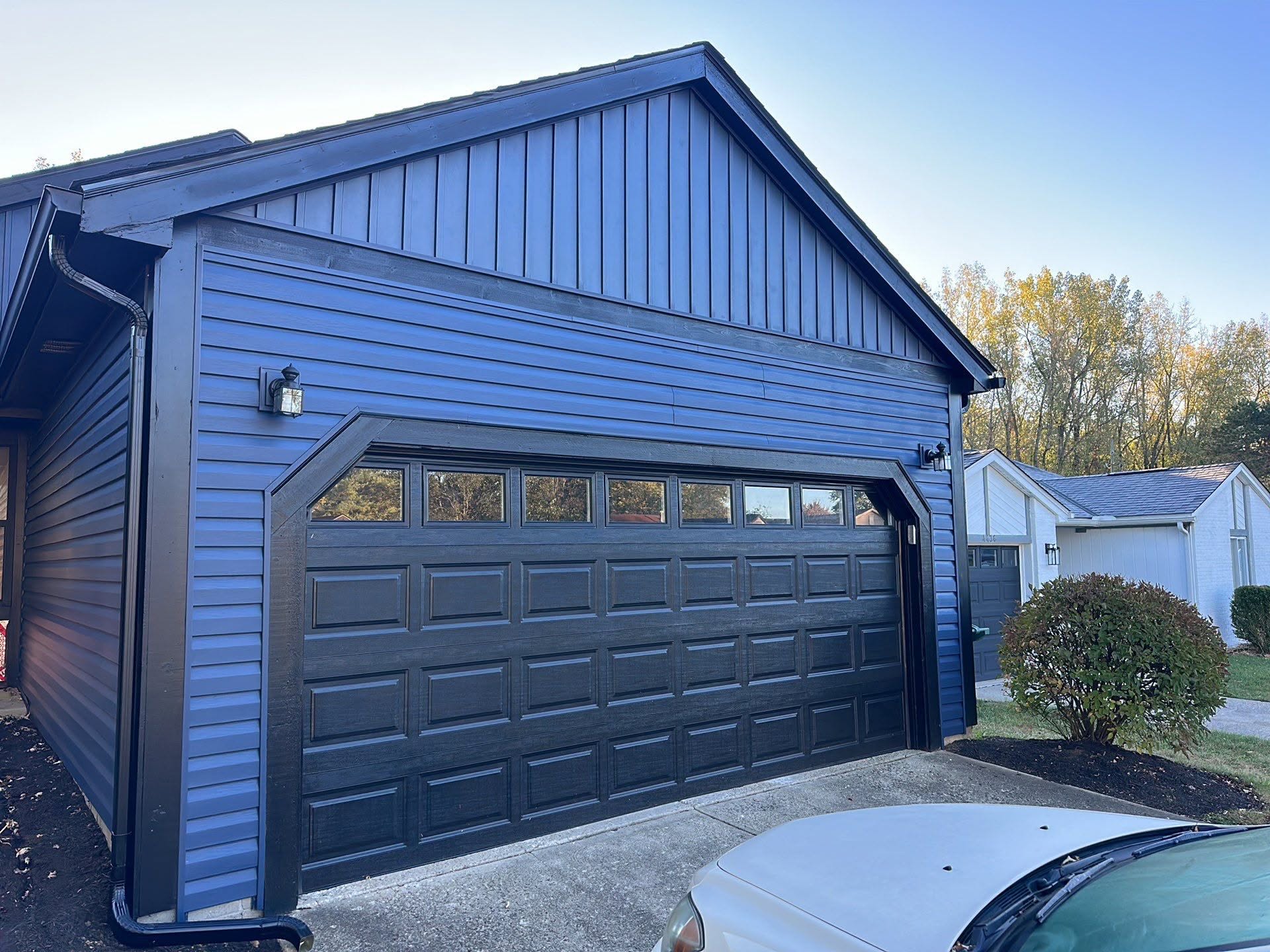
How long does vinyl siding last in Ohio? For most homes, a realistic expectation is about 25 to 40 years. High-quality panels that were installed correctly and maintained well may last longer, while thin materials, poor installation, storm damage, and trapped moisture can shorten that timeline.
Age alone does not tell the whole story. Ohio siding has to handle strong summer sun, humidity, wind, freezing temperatures, and repeated freeze-thaw cycles. The better question is whether your siding is still protecting the house, staying securely attached, and keeping water away from the structure beneath it.
A well-built vinyl exterior can often reach the 30-year mark without major trouble. Some systems remain serviceable for 40 years or more, especially when the panels are thicker, the wall preparation was sound, and small problems were repaired early. However, siding that looks acceptable from the street may still have brittle panels, loose fasteners, or moisture problems behind it.
The original installation matters as much as the product. Proper siding installation allows each panel enough room to expand and contract as temperatures change. Panels that are nailed too tightly may buckle, while panels installed too loosely may rattle or lift during strong winds.
We also look at the condition of the entire exterior. Siding, roofing, flashing, gutters, windows, and trim work together to move water away from the home. Homeowners planning an exterior update may also find it helpful to read How long do roofs last in ohio, especially when several parts of the home are approaching the same age.
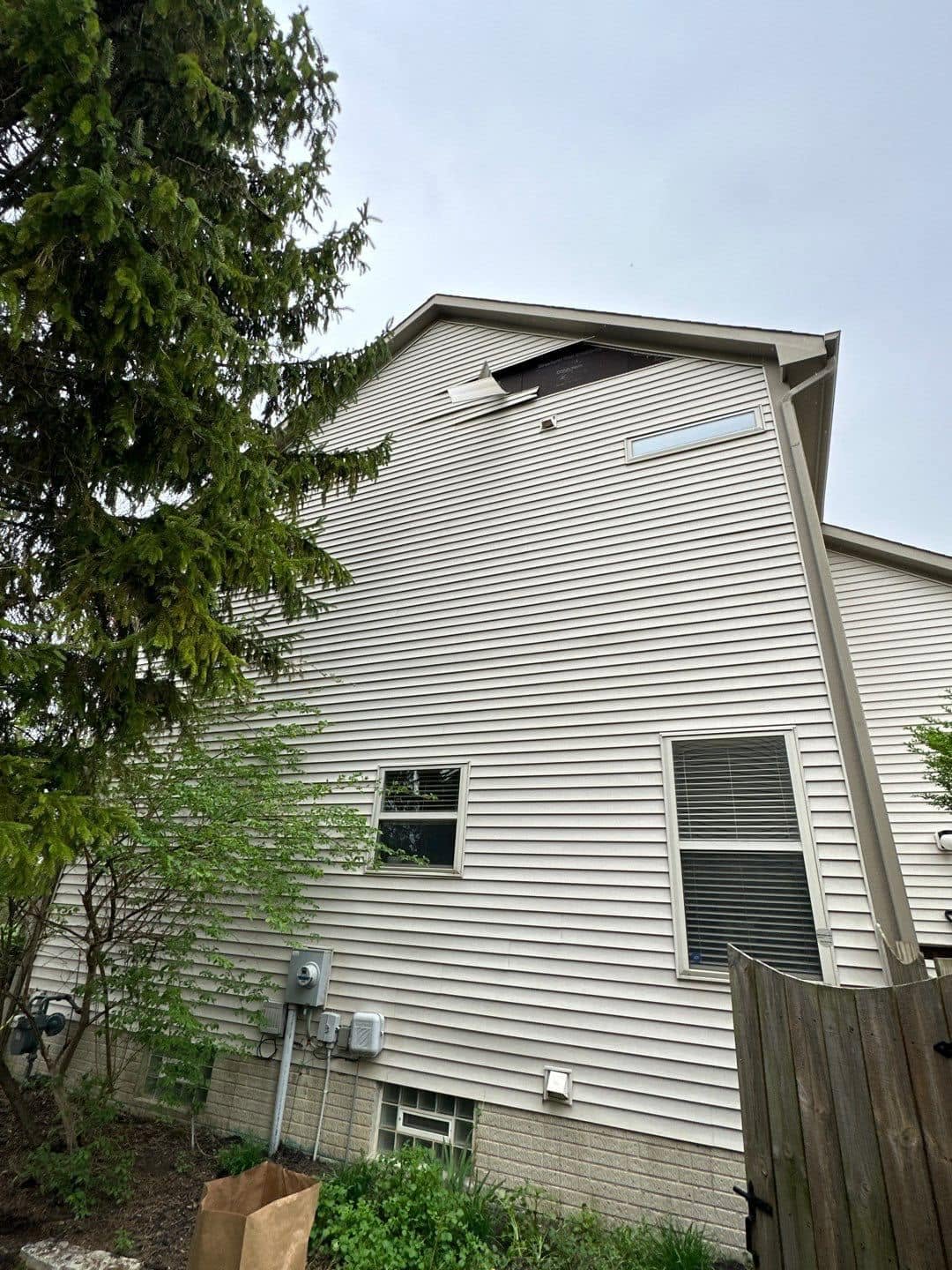
Ohio’s four-season climate creates constant movement in exterior materials. Vinyl expands during hot weather and contracts when temperatures drop. That movement is normal, but decades of temperature swings can make older panels less flexible and more likely to crack.
Winter creates a different challenge. Cold vinyl can become brittle, making it easier for hail, windblown debris, ladders, or accidental impacts to cause damage. Snow and ice can also expose weak flashing or gaps around windows, doors, utility penetrations, and roof-to-wall connections.
Summer sun can fade one side of a home faster than another. Humidity, shade, and nearby trees may also encourage mildew or algae growth. These cosmetic changes do not automatically mean replacement is needed, but they should prompt a closer inspection.
Yes, vinyl siding can last 40 years. It is more likely to reach that age when it started with a quality product, was installed by an experienced crew, and has not experienced repeated storm damage or water intrusion. Regular cleaning and prompt repairs also help.
A 40-year-old exterior should still be evaluated carefully. Older panels may be discontinued, which can make color and profile matching difficult when one section breaks. The siding may also have faded evenly enough to look fine while becoming brittle underneath.
I would not recommend replacing siding simply because it reached a certain birthday. I would recommend inspecting it more closely once it enters the later part of its expected lifespan. Condition should drive the decision.
Some siding problems are cosmetic. Others can allow water to reach the sheathing, framing, insulation, or interior walls. Watch for loose panels, cracks, holes, warping, bubbling, widespread fading, missing sections, mold that quickly returns, and stains below windows or rooflines.
Localized damage can often be handled with professional siding repair. A few cracked panels, a loose corner post, or damage from a grill or lawn equipment may not justify replacing the entire exterior. Repairs make the most sense when matching material is available and the surrounding siding remains flexible and secure.
Painting can be a smart option when the siding is structurally sound but faded or outdated. The surface must be cleaned, repaired, and coated with paint approved for vinyl. Color choice matters because some darker colors absorb more heat and may contribute to warping.
Homeowners considering this route can review the Sherwin-Williams guide to painting vinyl siding for an overview of preparation and coating considerations. Painting refreshes appearance, but it does not fix cracked panels, moisture damage, or failing wall components.
Replacement is usually the better investment when damage is widespread, panels are brittle, repairs no longer match, or water is getting behind the exterior. It may also make sense when you want to improve insulation, correct improper flashing, or update several aging exterior components at once.
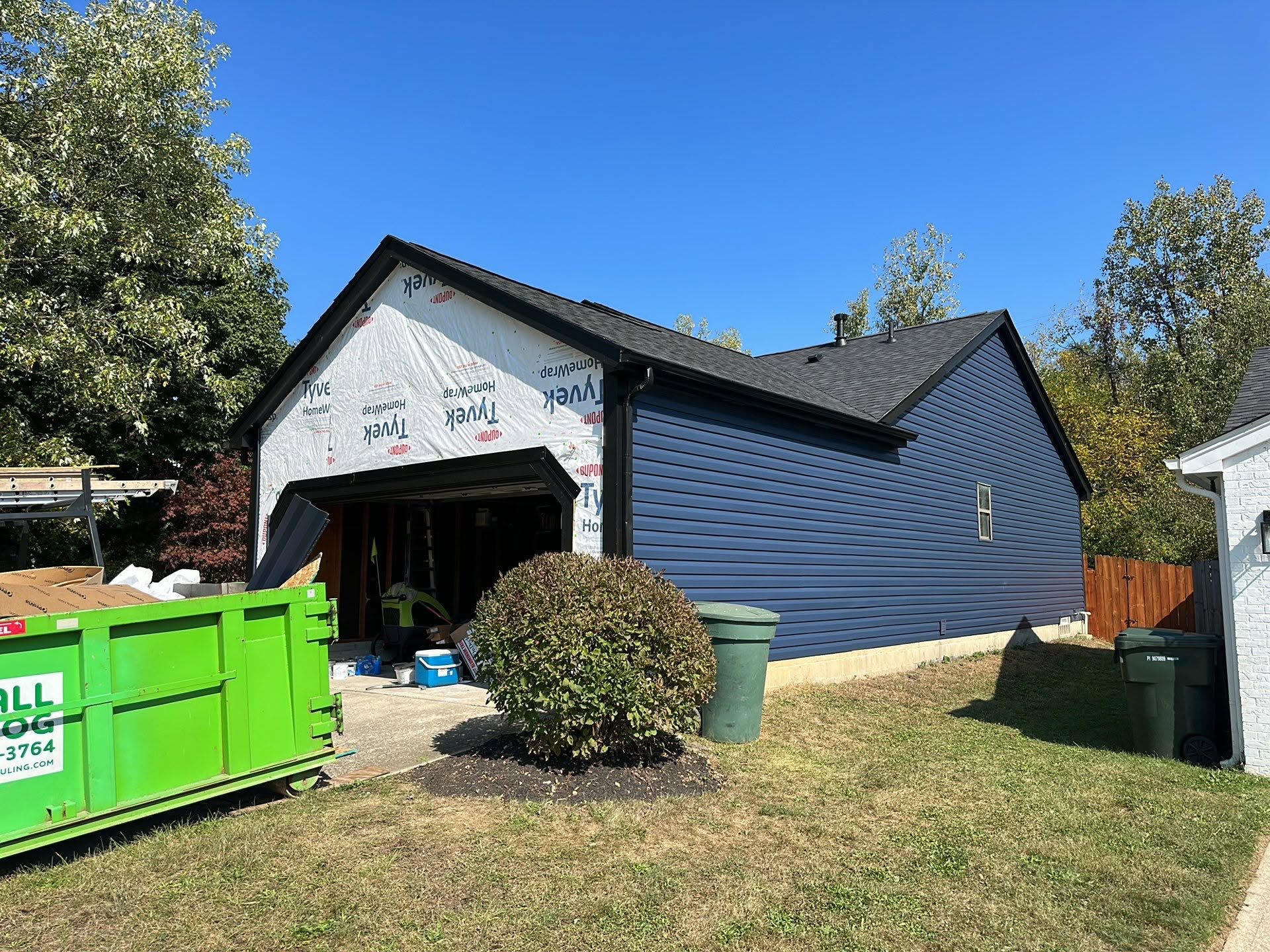
There is no required replacement schedule, but many Ohio homeowners should begin planning for replacement somewhere between 25 and 40 years. A basic product exposed to harsh conditions may need attention earlier. A premium system with good maintenance may continue performing beyond that range.
An annual walkaround can catch trouble early. Look after major wind or hail events, and pay close attention to walls below roof intersections, gutters, windows, and doors. A professional inspection becomes more valuable when the siding is older, repairs are becoming frequent, or you are preparing to sell the home.
Cleaning also matters. A gentle wash can remove dirt and organic growth without forcing water behind the panels. Avoid aggressive pressure washing at upward angles, which can push moisture into places the siding was designed to protect.
Painting is usually cheaper upfront. Current national cost guides place professional vinyl-siding painting around several thousand dollars for many homes, while full replacement often costs substantially more. The exact difference depends on house size, access, surface preparation, trim, removal, and hidden repairs.
The lower price does not automatically make painting the better value. If the existing vinyl siding is solid and the main problem is color or fading, painting can buy useful time and improve curb appeal. If panels are cracking, buckling, leaking, or pulling away, paint is only covering a failing system.
Think about how long you plan to stay in the home. Painting may be sensible for a sound exterior that needs a five-to-ten-year refresh. Replacement may be more practical when you want a longer-term solution, new color throughout the material, updated weather protection, and fewer patchwork repairs.
A 3,000-square-foot house does not automatically have 3,000 square feet of siding. Contractors measure the exterior wall surface, subtract openings, account for gables and waste, and then add trim, soffit, fascia, corners, and other details. A two-story home may have less wall area than a sprawling one-story home with the same interior square footage.
For early budgeting, a standard vinyl replacement on a 3,000-square-foot house may land roughly between $15,000 and $30,000. Complicated architecture, premium insulated panels, extensive trim, old-siding removal, difficult access, and structural repairs can push the project higher. A simple home with limited siding coverage may cost less.
This is why measurement technology and a detailed scope matter. Keith Staschke of 614 Exteriors has explained that accurate estimating changed how the company works on the front end. When measurements, materials, and job details are built into the estimate, homeowners get a clearer picture before work begins instead of relying on guesswork.
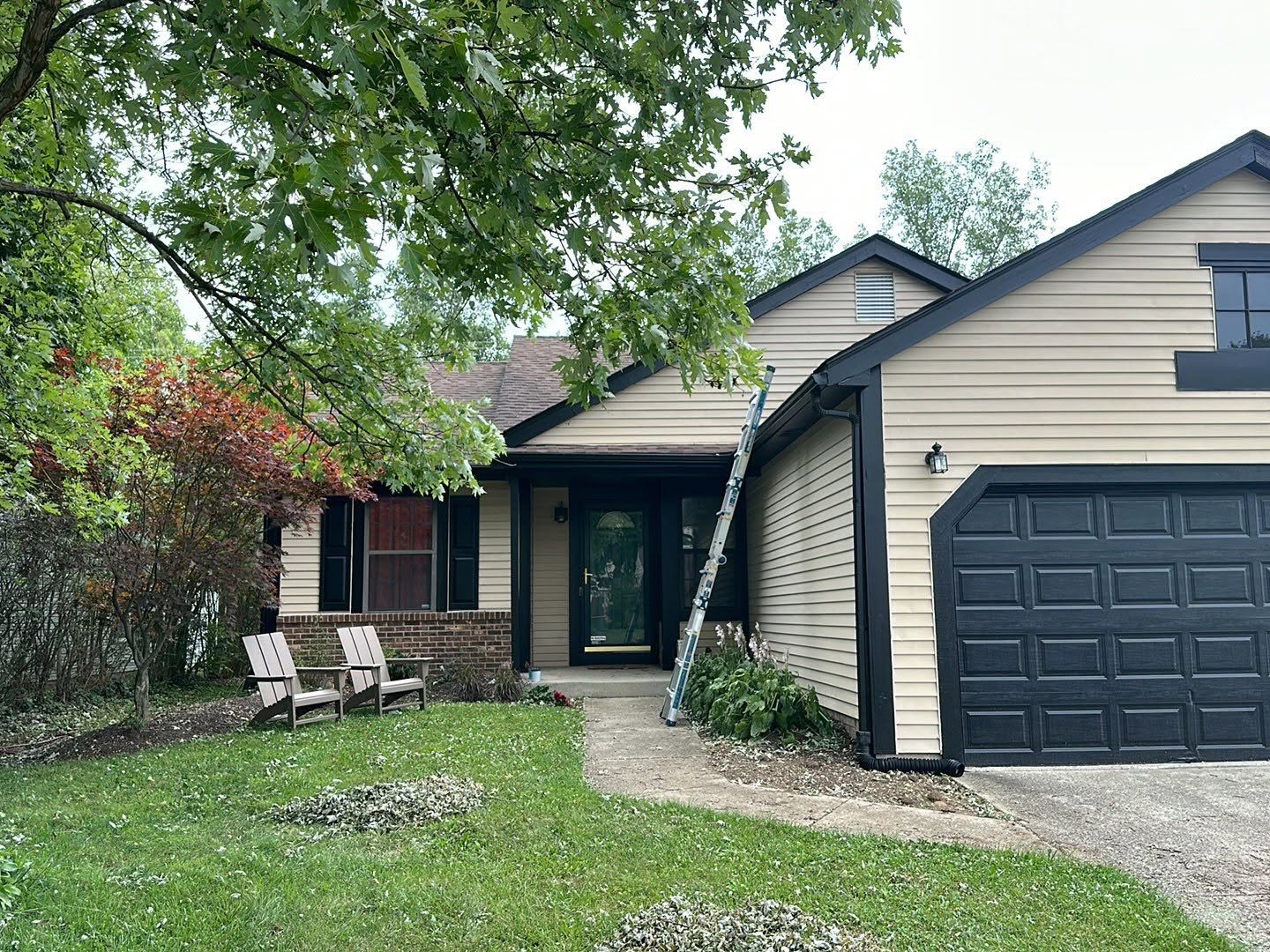
Removing siding sometimes reveals damaged sheathing, framing, or weather-resistant barriers. Keith has seen exterior projects where the visible issue looked small, but the underlying damage was much larger. His takeaway was straightforward: contractors should communicate early, stay within their expertise, and address unexpected conditions honestly.
For siding work, hidden repairs are manageable when the crew is prepared for them. The goal is not to scare homeowners with worst-case scenarios. It is to avoid installing new material over a wall that still has moisture damage or structural weakness.
Before deciding between paint and replacement, ask for an inspection of the panels, trim, flashing, and likely problem areas. A trustworthy contractor should explain what can be repaired, what painting can accomplish, and when replacement offers the better long-term value. In Ohio, that honest evaluation matters more than any generic lifespan number.

With over 25 years of experience, 614 Exteriors LLC provides top-quality roofing and exterior renovations using premium materials at competitive prices. Licensed, bonded, and insured, we take pride in delivering exceptional craftsmanship and personalized service.
614 Exteriors is owned and operated by Keith Staschke. Keith has over 25 years of experience in the construction and roofing industry and can be trusted to get the job done right.
614 Exteriors LLC © 2019-2024 | Privacy Policy

Roofing
Siding
Gutters
Storm Restoration
Work Examples
Interactive Map
Our Materials
1-877-614-TRUST (8787)
contact@614exteriors.com
480 E Wilson Bridge Rd
Worthington, OH 43085
Open Monday–Friday: 9am–5pm
Closed Saturday & Sunday
Bexley
Canal Winchester
Columbus
Delaware
Dublin
Gahanna
Grove City
Groveport
Hilliard
Lewis Center
Marysville
New Albany
Pickerington
Powell
Reynoldsburg
Sunbury
Upper Arlington
Westerville
Worthington
There is a good chance we will be able to serve you where you are located.

