614 Exteriors is the ONLY Atlas PRO+™ Diamond Level Contractor in the Greater Columbus Area and only 1 of 3 in the state of Ohio
Learn MoreLearn how to tell if a roofer is lying by spotting red flags, checking estimates, and verifying credentials before roof installation or replacement.
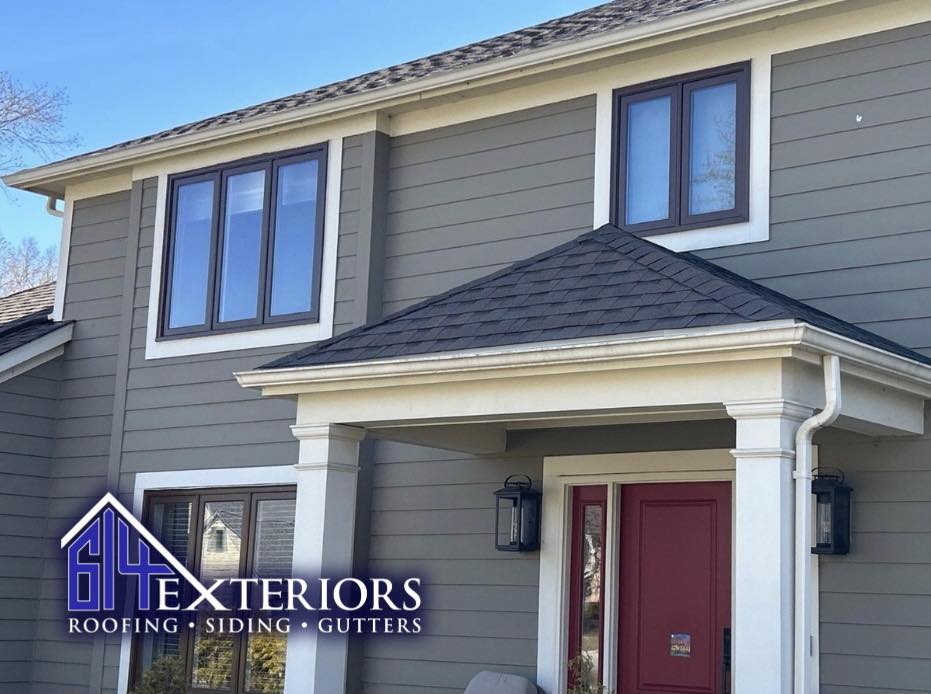
Hiring someone to work on your roof means entrusting them with one of the most essential parts of your home. Most contractors care about quality and customer satisfaction, but dishonest roofers also exist. They prey on homeowners’ lack of knowledge, use manipulative tactics and leave behind shoddy work or empty bank accounts. In this article I explain how to spot those red flags, why clear contracts and credentials matter and how you can protect yourself from scams. I’ll also highlight terms like Roof Installation, Roof Replacement and Worthington Roof Company because your search for trustworthy professionals should start with understanding what a legitimate roofing company offers.
A roof protects your family and possessions from the elements, so poor workmanship can lead to leaks, mold, structural damage and costly repairs. When dishonest contractors take shortcuts, they may use inferior materials or overlook crucial steps like flashing or ventilation. In many cases homeowners discover problems months later, long after their warranty window has closed. I’ve talked with clients who paid for a partial repair only to learn later that 30% of the roof was compromised, triggering the need for a full Roof Replacement. A professional who values integrity will walk you through options, provide clear explanations and welcome your questions.
The surest sign of a scam is a request for a large payment before any work begins. Reputable companies often require a modest deposit to cover initial materials; demanding more than half of the total cost up front is unnecessary and risky. High pressure to sign immediately is another classic tactic. Legitimate firms will encourage you to compare quotes and speak with insurance providers, but scammers push contracts and claim the offer is “for today only.”
Another red flag is vagueness. If a contractor refuses to provide a detailed written estimate or leaves out crucial information about materials, warranties and timelines, that lack of transparency could hide extra charges or substandard components. Skipping permits, downplaying the need for licenses or insurance and avoiding questions about their physical address also indicate potential fraud. Always ask for proof of licensing, insurance and local business registration because trustworthy roofers provide these documents without hesitation. Finally, pay attention to communication. Evasive answers, missed appointments and shifting stories are all signs of trouble.

A common ploy involves providing a quote that is dramatically lower than competitors. While everyone likes a bargain, artificially low estimates often hide subpar materials, unskilled labor or undisclosed costs. On the opposite end of the spectrum, inflated bids may target homeowners dealing with insurance claims or storm damage. A credible Roof Installation or repair quote should outline the type of shingle, underlayment and flashing to be used, include labor costs and specify the start and completion dates. It should also describe cleanup and waste disposal, because quality contractors handle debris and stray nails as part of the job. Asking at least three qualified companies to provide written estimates will reveal unrealistic prices and help you understand what a fair price looks like.
When reviewing estimates, watch out for missing permit information or warranty details. In many jurisdictions a building permit is required for Roof Replacement or major repairs. Failing to obtain permits can result in fines or an order to redo the work. Similarly, a legitimate contractor will offer a workmanship warranty in addition to any manufacturer warranty on materials. This ensures that if something goes wrong due to installation errors, you have recourse.
Some scam artists go door‑to‑door after storms, claiming your roof has severe damage when it does not. They may show you fabricated pictures, demand a signature on an assignment of insurance benefits or insist you pay them directly from your claim. Always ask to see photographic or video evidence of any damage and get a second opinion. Roofing “storm chasers” often have no local presence and vanish once they collect deposits. Work with a company that has a verifiable address, online reviews and a record of projects in your community. Check ratings with the Better Business Bureau (BBB) and look for detailed feedback rather than generic five‑star reviews.
Another tactic is creating urgency by telling you that insurance coverage will expire unless you act now. Don’t let anyone rush you. A legitimate roofer will encourage you to take the time you need to read contracts, consult family members and contact your insurer. Be especially wary of requests for cash payments or wire transfers. Reputable companies accept checks or credit cards and provide receipts. If a contractor refuses to give you a detailed written contract, do not proceed. The contract should list the scope of work, payment schedule, warranty terms and any contingencies for unexpected issues.
In some jurisdictions, most notably Florida, building codes require that if more than 25% of a roof is repaired or replaced within a 12‑month period, the entire roof must be brought up to current code standards. This is often called the 25% rule. It means that rather than patching multiple areas over several months, you might be obligated to replace the entire roof to meet wind‑resistance and energy‑efficiency standards. The regulation protects homeowners by ensuring the roof functions as a single system rather than a collection of mismatched repairs. However, dishonest contractors sometimes misrepresent this rule, telling homeowners they must replace the whole roof when only minor repairs are necessary. To avoid being misled, ask your roofer to estimate the percentage of the roof affected and check local codes yourself. If the affected area truly approaches 25%, a replacement may be more cost‑effective in the long run.
Protecting yourself begins with research. Start by compiling a shortlist of local companies with strong reputations. Visit their websites to confirm they offer Roof Installation, Roof Replacement and maintenance services, and look for evidence of longevity in the community. Ask for references and call past customers to verify satisfaction. Check that the company is licensed, bonded and insured. When a roofer visits your home, observe their professionalism: Do they arrive on time? Do they answer questions clearly? Do they inspect both the interior and exterior of the roof before making recommendations? Legitimate contractors take the time to assess ventilation, flashing, decking and attic spaces, and they explain the reasoning behind their suggestions.
When comparing quotes, don’t simply choose the lowest bid. Instead, weigh the overall value: quality materials, skilled labor and comprehensive warranties. Ensure that payment is structured as a reasonable deposit followed by progress payments tied to milestones. Never pay the full amount up front. If a contractor asks for full payment before starting or demands cash only, that’s a sign to walk away. Insist on a written contract that specifies everything down to the color and brand of shingles. The contract should also cover cleanup, disposal and payment schedule, and it should note that any additional work discovered during the project must be agreed upon before proceeding.

A professional roofer will readily provide proof of licensing, general liability insurance and workers’ compensation coverage. These credentials protect you from liability if a worker is injured on your property and ensure that the contractor meets local standards. Verify the license number with your state’s licensing board and confirm insurance policies with the issuing companies. Also ask about certifications from manufacturers; some programs require additional training and enable contractors to offer enhanced warranties. Don’t hesitate to request a list of recent projects or references. When a roofer is reluctant to share this information, it may indicate that they have something to hide.
Researching online reviews helps reveal patterns of behavior. Look for consistent themes such as responsiveness, transparency and respect for deadlines. A company that appears suddenly, with no track record or only glowing, detail‑free reviews, could be a fly‑by‑night operation. Reading complaints or testimonials from verified customers will help you gauge reliability. Be wary of contractors who discourage you from checking online feedback or contacting previous clients.
A contract is your protection against unexpected costs and unfinished work, so never sign one you don’t fully understand. Ensure the contract includes the full scope of work, material specifications, start and finish dates, payment schedule and warranty information. It should also describe how unforeseen issues (like hidden rot or ventilation upgrades) will be handled, including price adjustments and change orders. Watch for clauses that allow unlimited cost increases or omit guarantees on workmanship. If the contract seems vague, ask the contractor to clarify and put any promises in writing. Reputable companies will take the time to go over each section with you. I often encourage homeowners to request a copy of the contract in advance so they can review it at their own pace or even have a lawyer look it over.
Once your new roof is installed, don’t assume your job is done. A post‑installation inspection ensures that everything promised in the contract was delivered. Perform an interior check for signs of light, water stains or sagging in the attic. Outside, look for straight shingle lines, properly installed drip edges, clean gutters and no leftover debris. If any materials or upgrades were specified, ask to see packaging or manufacturer labels to confirm what was used. Also confirm that the final invoice matches the contract. Professional roofers often register warranties on your behalf, but it’s wise to follow up to ensure registration is complete.
Regular maintenance is essential to prolong your roof’s life. Cleaning gutters, trimming overhanging branches and visually inspecting your roof every six to twelve months will help you catch small issues before they become major problems. In regions with severe weather, schedule professional inspections after major storms. If you notice loose shingles, exposed nails or damaged flashing, contact your roofer promptly. Remember that a good company is interested in long‑term relationships and will stand by their workmanship. Maintaining that relationship can also be useful if you decide on a future Roof Replacement or upgrade.
Learning how to tell if a roofer is lying isn’t about being cynical; it’s about protecting your investment and ensuring your home remains safe. The steps are straightforward: get multiple quotes, verify credentials, insist on detailed contracts, and never rush a decision. Use resources like the Better Business Bureau, state licensing boards and online reviews to vet companies. Don’t hesitate to ask tough questions or walk away if something feels wrong. When you understand the process and recognize the warning signs, you can confidently select a company—such as Worthington Roof Company that offers Roof Installation, replacement and maintenance—with peace of mind.
For a comprehensive checklist of what to look for after a roof is installed, see What to Check After Roofers Installed A New Roof. It explains post‑installation inspections, cleanup and warranty registration. For more tips on avoiding roofing scams, check out this expert article which delves deeper into high‑pressure sales tactics and contract pitfalls. Staying informed will help you identify professionals who will respect your home and deliver quality workmanship.
.jpg)

With over 25 years of experience, 614 Exteriors LLC provides top-quality roofing and exterior renovations using premium materials at competitive prices. Licensed, bonded, and insured, we take pride in delivering exceptional craftsmanship and personalized service.
614 Exteriors is owned and operated by Keith Staschke. Keith has over 25 years of experience in the construction and roofing industry and can be trusted to get the job done right.
614 Exteriors LLC © 2019-2024 | Privacy Policy

Roofing
Siding
Gutters
Storm Restoration
Work Examples
Interactive Map
Our Materials
1-877-614-TRUST (8787)
contact@614exteriors.com
480 E Wilson Bridge Rd
Worthington, OH 43085
Open Monday–Friday: 9am–5pm
Closed Saturday & Sunday
Bexley
Canal Winchester
Columbus
Delaware
Dublin
Gahanna
Grove City
Groveport
Hilliard
Lewis Center
Marysville
New Albany
Pickerington
Powell
Reynoldsburg
Sunbury
Upper Arlington
Westerville
Worthington
There is a good chance we will be able to serve you where you are located.

