614 Exteriors is the ONLY Atlas PRO+™ Diamond Level Contractor in the Greater Columbus Area and only 1 of 3 in the state of Ohio
Learn MoreHow to verify a roofer is licensed and insured: Learn to check local and state credentials, confirm insurance and bonds, and red flags.
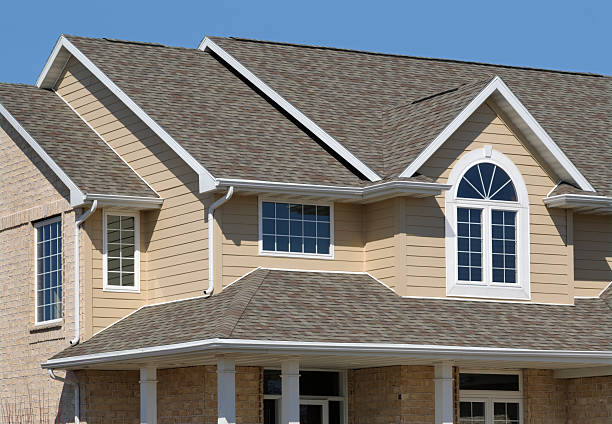
Hiring a roofer isn’t just about price or scheduling – it’s about trust. When an unlicensed contractor lacks workers’ compensation or liability coverage, any injury or damage can fall back on you; if a Roof Installation crew member gets hurt, the homeowner pays. In Ohio there’s no statewide roofing license, so it’s up to you to confirm local credentials and insurance. Taking these steps protects your home and your peace of mind.
Roofing isn’t regulated like plumbing or electrical work. In Ohio, small jobs often fall under local authority, while projects over $5,000 require a state license through the Ohio Construction Industry Licensing Board (OCILB). A legitimate roofer should be registered with your city or county and, for large jobs, hold an OCILB license with an active status that specifically authorizes roofing. You can verify this by visiting your local building department’s website or the OCILB’s eLicense portal. Don’t hesitate to ask for a license number – an ethical contractor will provide it in writing and encourage you to check their record.

Because licensing is local, your first call should be to the building or permit office in your municipality. They can confirm whether the contractor is registered and can legally pull permits. Permits create an official record, trigger inspections, and ensure the work meets code. A roofer who asks you to obtain the permit yourself or claims it isn’t necessary is avoiding accountability. Make sure the company has an Ohio business address; out‑of‑state operators often appear after storms and disappear quickly once deposits are collected.
For Roof Replacement projects that exceed the $5,000 threshold, Ohio law requires a state license. Use the OCILB search to confirm the license is active, specific to roofing, and issued to the company you’re hiring. If you can’t locate the company in the database, keep looking for another contractor.
Licensing only shows a contractor has the legal authority to work; insurance protects you if something goes wrong. Always request a Certificate of Insurance (COI) that lists general liability and workers’ compensation coverage. Ask for the COI to come directly from the insurer so you know it’s genuine, check that the company name matches your estimate, and confirm that coverage applies to all employees—not just the owner.
Once you receive a COI, call the insurer listed on the document to confirm the policy is active and covers residential roofing. Policies can lapse between issuance and the start of your project, so a quick call protects you. Ohio also requires a $25,000 surety bond for OCILB‑licensed roofers, which compensates homeowners if the contractor abandons the project or causes damage.
Many reputable roofers earn certifications from manufacturers like GAF, CertainTeed, or Owens Corning. These programs require verified insurance, training, and adherence to strict installation standards. Hiring a certified contractor grants access to enhanced warranties and assurance that your Roof Installation or Roof Repair meets manufacturer guidelines.
A quick check with the Better Business Bureau (BBB) can reveal a lot. Look for a solid rating and see how the company resolved any complaints. A roofer with no online presence or many unresolved issues is risky. Ask for references from recent projects and follow up; reputable contractors will gladly connect you with satisfied clients.
Certain behaviors should give you pause. A contractor who won’t provide a license number or proof of insurance likely doesn’t have them. High‑pressure sales tactics and unusually low bids often indicate poor workmanship. After storms, “storm chasers” may offer deals that sound too good to be true; they usually lack proper credentials. If someone seems evasive, walk away.
Use this checklist before committing to any roofer:
Verifying that your roofer is licensed and insured isn’t a hassle – it’s your best defense against poor workmanship and financial loss. Check local and state licenses, insist on a valid Certificate of Insurance, and follow up with the insurer. Look for manufacturer certifications and a solid reputation, and trust your gut. Taking time to vet a contractor means fewer headaches later.
If you’re planning a Roof Replacement, Roof Installation, or Roof Repair and have questions about this process, our team at 614 Exteriors is here to help. For a detailed post‑installation inspection, read our article on What to Check After Roofers Installed A New Roof. If you’re curious about licensing rules across other states, this nationwide guide to roofing licenses offers a helpful overview.

With over 25 years of experience, 614 Exteriors LLC provides top-quality roofing and exterior renovations using premium materials at competitive prices. Licensed, bonded, and insured, we take pride in delivering exceptional craftsmanship and personalized service.
614 Exteriors is owned and operated by Keith Staschke. Keith has over 25 years of experience in the construction and roofing industry and can be trusted to get the job done right.
614 Exteriors LLC © 2019-2024 | Privacy Policy

Roofing
Siding
Gutters
Storm Restoration
Work Examples
Interactive Map
Our Materials
1-877-614-TRUST (8787)
contact@614exteriors.com
480 E Wilson Bridge Rd
Worthington, OH 43085
Open Monday–Friday: 9am–5pm
Closed Saturday & Sunday
Bexley
Canal Winchester
Columbus
Delaware
Dublin
Gahanna
Grove City
Groveport
Hilliard
Lewis Center
Marysville
New Albany
Pickerington
Powell
Reynoldsburg
Sunbury
Upper Arlington
Westerville
Worthington
There is a good chance we will be able to serve you where you are located.

