614 Exteriors is the ONLY Atlas PRO+™ Diamond Level Contractor in the Greater Columbus Area and only 1 of 3 in the state of Ohio
Learn MoreIs it worth replacing siding on an old house? Learn the signs, costs, materials, and ROI to decide if replacement makes sense.

Replacing the siding on an older home is a significant investment. Homeowners wrestle with questions about cost, durability, curb appeal, energy efficiency and whether repair might be enough. Having spent decades on job sites around Columbus, I’ve seen firsthand how a simple siding job can reveal hidden structural problems and how a smart upgrade can transform a property. This guide draws on those experiences and up‑to‑date research to help you make an informed decision.
Before considering a full replacement, it’s important to understand the warning signs that your siding is failing. Over the years I’ve run into everything from soft, spongy panels to holes made by woodpeckers. According to industry research, common red flags include rot, warping, pest intrusion and moisture reaching interior walls. Soft spots or panels that crumble under pressure are a clue that moisture has penetrated the surface. When boards bow, ripple or pull away, water has likely been trapped behind them. Cracked or missing panels may seem minor, but if damage covers a large area the underlying structure can be at risk.
In my own work, I’ve learned that some problems aren’t visible until the siding is removed. Once, we started a small repair and discovered rotted sheathing and framing behind stucco – a job that quickly grew beyond our scope. That experience taught us to pay close attention to subtle signs such as bubbling paint, recurring mold or mildew, and interior issues like peeling wallpaper or water stains near exterior walls. When multiple issues appear together, a full replacement is usually more cost‑effective than piecemeal repairs.
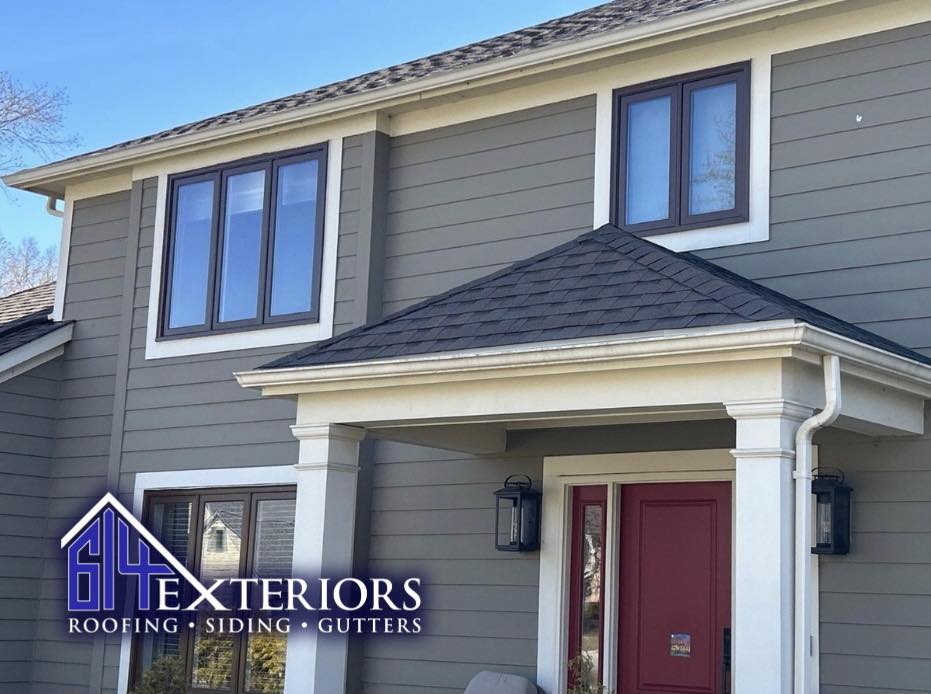
Siding costs vary widely based on material, home size, complexity and location. Most homeowners can expect to spend between $8,000 and $30,000 for a full replacement. That range reflects differences in materials (vinyl, wood, fiber cement, metal and composites), labor rates and the amount of siding to be removed. Labor alone averages $2–$12 per square foot. For a typical 1,000‑square‑foot home, materials and installation combined might run around $20,000. Larger homes or those with complicated rooflines and architectural details cost more, while single‑story ranches with simple profiles are generally less expensive.
Material selection has the biggest impact on budget. Vinyl is generally the least expensive option and often falls between $6,000 and $12,000 for an average home, or $3–$8 per square foot. Fiber‑cement siding, such as James Hardie boards, usually costs $10,000–$20,000 or $5–$12 per square foot, but it offers exceptional durability and long‑term value. Wood siding ranges from $12,000–$25,000 ($6–$15 per square foot); while beautiful, it demands regular painting or staining to resist moisture and pests. Metal options like steel or aluminum run about $8,000–$18,000 ($4–$10 per square foot). Engineered wood products sit in the middle at roughly $10,000–$20,000 ($5–$11 per square foot).
When planning your budget, remember that removing old siding and disposing of debris adds costs. In our projects, disposal can add $700–$2,000 for a 1,000‑square‑foot home. Additional expenses may include permits, house wrap or weather barrier, flashing, insulation board, paint or trim, and equipment rental. To avoid surprises, we build a contingency of 10–15 percent into quotes for hidden structural repairs, such as replacing rotted sheathing or framing.
Several variables determine where your project falls within the broad cost range. Understanding these factors helps homeowners set realistic expectations:
On one memorable project, we started tearing off an old roof and found that all of the plywood underneath was rotten. Because we had planned for contingencies and had trucks available to deliver new wood, we were able to continue without significant delays. Experiences like these underscore why accurate estimates and planning are essential. In our company, adopting Hover 3D estimation software transformed our process; salespeople can generate accurate bids on-site, eliminating guesswork.
Material choice is about more than price. Climate, architecture, maintenance preferences and personal style all play a role. Here’s a look at common options:
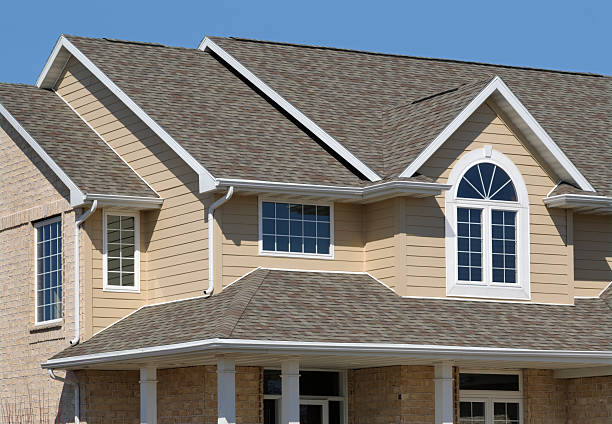
Not all siding products deliver equal value. Cheap vinyl and old aluminum often top lists of materials to avoid. Low‑quality vinyl tends to crack, warp or melt under intense sun, hail or reflected heat, while older aluminum dents easily and can make a home look dated. Both materials may trap moisture behind panels, leading to hidden rot and mold.
Wood siding can also be problematic if it isn’t properly protected. Untreated cedar or pine requires frequent sealing or painting to prevent moisture absorption and pest infestations. We’ve seen homeowners who loved the rustic look end up battling carpenter ants and woodpeckers. Unless you’re committed to the upkeep or choose engineered alternatives, think carefully before installing natural wood on an older home.
For more details on problem materials and installation pitfalls, check out What siding to avoid in a house exterior?, an in‑depth article on the subject.
Deciding whether to repair or replace depends on the extent of damage, the age of the existing siding and your long‑term plans. Minor issues, such as a single cracked vinyl panel or a short section of rotted trim, can often be fixed without replacing the entire exterior. But when damage is widespread, the siding is near the end of its lifespan, or moisture has gotten behind panels in multiple locations, replacement is the smarter financial decision.
From a value perspective, siding replacement consistently ranks among the top exterior projects for boosting home value. Industry studies suggest that homeowners recoup roughly 70–80 percent of their investment at resale. In some cases, such as fiber‑cement replacements, the return can exceed 100 percent. Beyond resale value, new siding enhances curb appeal, improves insulation, lowers maintenance costs and protects the underlying structure from moisture damage.
Our experience confirms that the benefits extend beyond dollars. We’ve watched families light up when they see their aging home transformed. One project that sticks with me involved a friend whose roof had lost three shingles. After another company ghosted him, we stepped in and ended up replacing the entire roof, decking, gutters and siding. Their house not only looked new, it felt safer and more comfortable for their growing family. These human stories remind us why we do this work.
Disappointment with budget vinyl has led many homeowners to explore more durable and aesthetically pleasing alternatives. Fiber‑cement tops the list because it offers the appearance of wood without susceptibility to insects, rot or fire. Engineered wood composites like LP SmartSide blend wood fibers with resins to improve strength and come pre‑finished to save labor. Heavy‑gauge steel and aluminum panels appeal to those seeking a sleek, modern look; they’re recyclable and resist fire and pests. Brick and stone veneers are also popular upgrades, providing unparalleled longevity and rarely requiring siding repair. Finally, environmentally conscious homeowners appreciate that fiber‑cement and metal products are recyclable and don’t rely on petroleum‑based plastics.
Even the best siding won’t perform if installed incorrectly. Proper installation requires attention to expansion gaps, correct nailing patterns and thorough sealing. In our company we’ve built long‑term relationships with our crews; many have been with us for over five years. This continuity allows us to hold each other accountable and deliver consistent quality. We also invest in safety. Harnesses and ropes are mandatory on every job, and we use ladder elevators to lift heavy bundles rather than loading roofs directly. These precautions protect workers and homeowners alike.
Safety and quality are also about who you let on your property. After severe storms, out‑of‑state contractors often flood into Ohio. We advise homeowners to research contractors and check their reputations before allowing anyone on the roof. Partnering with a local, licensed and insured team ensures your warranty isn’t worthless when storm chasers leave town.
Replacing siding on an old house is a big decision. It involves balancing upfront cost, material longevity, maintenance commitments and personal preferences. My best advice is to start with a thorough inspection to determine the extent of damage. If issues are isolated, targeted repairs may suffice, but widespread problems often mean replacement is the wiser choice. Once you decide to re‑side, get multiple estimates from reputable contractors, plan for contingencies and invest in quality materials.
Updating your home’s exterior can dramatically improve curb appeal and comfort. With thoughtful planning and professional installation, new siding not only protects your home from the elements but also enhances its value and aesthetic appeal for years to come.


With over 25 years of experience, 614 Exteriors LLC provides top-quality roofing and exterior renovations using premium materials at competitive prices. Licensed, bonded, and insured, we take pride in delivering exceptional craftsmanship and personalized service.
614 Exteriors is owned and operated by Keith Staschke. Keith has over 25 years of experience in the construction and roofing industry and can be trusted to get the job done right.
614 Exteriors LLC © 2019-2024 | Privacy Policy

Roofing
Siding
Gutters
Storm Restoration
Work Examples
Interactive Map
Our Materials
1-877-614-TRUST (8787)
contact@614exteriors.com
480 E Wilson Bridge Rd
Worthington, OH 43085
Open Monday–Friday: 9am–5pm
Closed Saturday & Sunday
Bexley
Canal Winchester
Columbus
Delaware
Dublin
Gahanna
Grove City
Groveport
Hilliard
Lewis Center
Marysville
New Albany
Pickerington
Powell
Reynoldsburg
Sunbury
Upper Arlington
Westerville
Worthington
There is a good chance we will be able to serve you where you are located.

