614 Exteriors is the ONLY Atlas PRO+™ Diamond Level Contractor in the Greater Columbus Area and only 1 of 3 in the state of Ohio
Learn MoreIs Reynoldsburg a Good Place to Buy a Home in 2026? Explore market trends, community growth and expert insights to decide if it’s right for you.
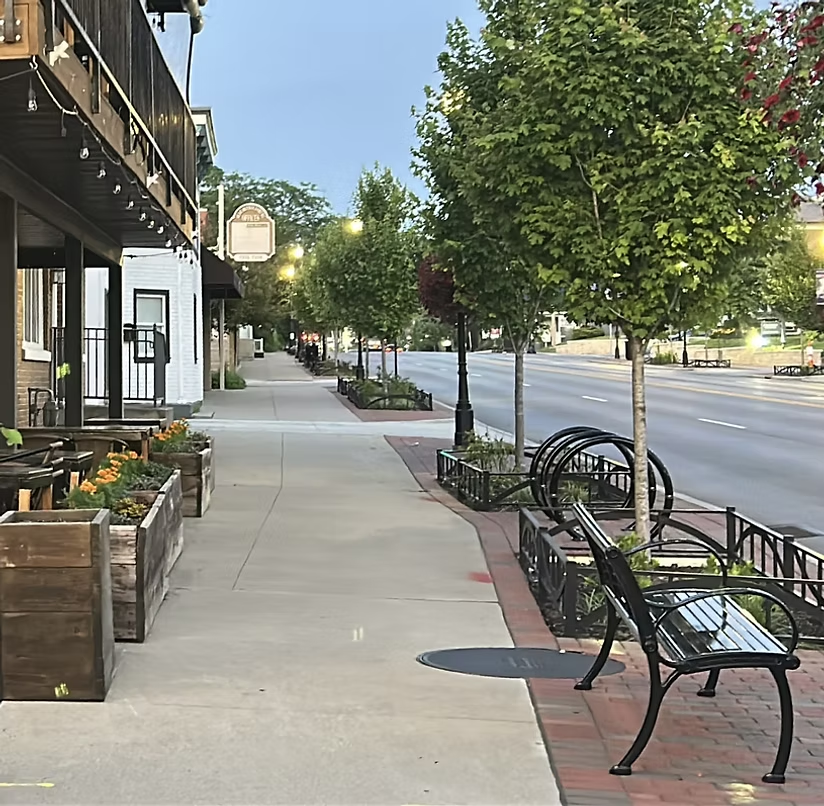
Reynoldsburg sits on the east side of the Columbus metropolitan area and proudly calls itself the Birthplace of the Tomato. It’s a city where tradition and progress intersect. Annual events like the Tomato Festival and the Taste of Reynoldsburg fill the streets with local flavors and live music, while a forward‑looking city council invests in infrastructure and community amenities. As a long‑time homeowner in central Ohio I’ve watched Reynoldsburg transform its downtown through nearly $10 million in pedestrian‑friendly upgrades and mixed‑use developments. The revitalization effort includes wider sidewalks, new restaurants and co‑working spaces—changes that make daily life more walkable and enjoyable and show a commitment to the future.
Reynoldsburg also benefits from its strategic location. It spans Franklin, Licking and Fairfield counties and lies about ten miles from the massive Intel chip factory being built in nearby New Albany. City planners are leveraging this proximity by upgrading roads and utilities in the eastern corridor, positioning the city for business growth and new jobs. For residents, the access to jobs, medical facilities and universities across Columbus means you can enjoy small‑town comfort without sacrificing big‑city opportunities. The combination of historic charm and practical investments makes the community feel both established and on the rise.
Understanding the local housing landscape is essential when evaluating a new home purchase. Data from spring 2026 show the average Reynoldsburg home value hovering around $299,619, an increase of about 1.1% over the past year. Homes here spend only around eleven days on the market before going under contract—evidence of steady demand. This pace is faster than the broader Columbus metro area, where homes typically linger for more than a month. The modest appreciation paired with a quick sale timeline suggests a healthy, balanced local market rather than the bidding‑war frenzy of previous years.
To put things into context, the broader Columbus area has a median sale price of approximately $322,000 and an inventory that grew by 14.2% compared with last year. This rise in available homes has cooled price growth to a manageable 3–4%, giving buyers breathing room and negotiating power. Nationally, economists expect a modest 1.2% rise in home values in 2026 and mortgage rates hovering slightly above 6%. Compared to other hot markets, Reynoldsburg offers affordability without sacrificing access to a major job center, making it appealing to first‑time buyers and seasoned homeowners alike.
One of the most common questions I hear from prospective buyers is whether home prices will drop next year. National research from leading banks suggests that widespread price declines are unlikely. Analysts at a major investment firm project that U.S. house prices will stall near 0% growth in 2026 as improved demand balances out increased supply. While pockets of the country—particularly parts of the West and Sun Belt—may see softening due to oversupply, areas like central Ohio with diversified economies and controlled new construction are expected to remain stable. I’ve spoken with local agents who echo this sentiment: barring a significant economic shock, Reynoldsburg home values should continue their slow, steady climb.
Another factor supporting prices is the ongoing shortage of existing homes. Many owners locked into ultra‑low mortgage rates during the pandemic are reluctant to sell, which keeps inventory tight. Builders are offering rate buydowns and incentives to move new construction, but they aren’t building fast enough to flood the market. Coupled with steady job creation and population growth in central Ohio, these dynamics point toward price stability rather than a crash. In other words, waiting for a dramatic drop could mean missing out on reasonable prices today.
It might seem odd to compare Reynoldsburg to Idaho, but some readers are curious whether the broader U.S. trend of price corrections applies there. According to a prominent real‑estate report focused on Idaho, home prices in that state are not expected to continue falling unless the national economy slips into recession. Out‑of‑state buyers are still flocking to Idaho for affordability, good schools and a better quality of life, which sustains demand. Mortgage rates are anticipated to decline slightly, but economists expect the market to undergo a modest correction rather than a crash. The lesson here is that, across different regions, demand fundamentals matter more than headlines—and Reynoldsburg shares strong fundamentals.
For those who sat on the sidelines during the dramatic swings of 2024 and 2025, 2026 offers a rare window of balance. Market analysts at Zillow predict improved affordability as wage growth catches up and inventory increases. They forecast a modest national price rise of about 1.2% and expect mortgage rates to hover just above 6%. That means buyers will face less competition and can negotiate contingencies like inspections and repairs—an advantage that was often waived in the past. Sellers, meanwhile, benefit from price stability and a more predictable pool of buyers, creating a win‑win scenario.
In central Ohio, the days of frantic bidding wars have largely subsided. The Columbus metro area now has more than 4,400 active listings, allowing buyers to take their time and make informed decisions. Average days on market have extended to about 43 days, and sellers are increasingly willing to offer concessions. If you have flexible timing, buying early in the year may allow you to lock in a home before potential rate cuts trigger another wave of competition. Either way, 2026 is shaping up to be much more favorable for thoughtful home shoppers than the recent past.
.jpg)
Central Ohio isn’t a monolith; each suburb has its own vibe and investment potential. Data from regional lenders highlight several standout neighborhoods for 2026. Westerville continues to deliver strong value thanks to its “City within a Park” feel and proximity to the Intel project. German Village remains a favorite for its historic architecture and walkability, though entry prices are higher. Grandview Heights attracts young professionals with its short commute to downtown Columbus and high‑ranking school district. New Albany is the epicenter of luxury construction and stands to gain from the semiconductor boom. These areas will appeal to different budgets and lifestyles, but all offer solid long‑term potential.
So where does Reynoldsburg fit into this mix? Its revitalized downtown, growth‑oriented zoning plan and investment in parks make it an underrated gem. The city boasts roughly 275 acres of parkland, including Pine Quarry Park—a pocket of wilderness with limestone bluffs and bridges that locals compare to a miniature Hocking Hills. A new regional trail network is in development, linking Reynoldsburg to nearby communities and making it even easier to enjoy the outdoors. With its proximity to Intel, a growing mix of single‑family and mixed‑use developments, and a still‑affordable median price, Reynoldsburg offers a compelling blend of lifestyle and value. It may not have the name recognition of its neighbors, but savvy buyers should give it serious consideration.
No discussion about buying a home is complete without considering maintenance and the condition of a property’s exterior. As the owner of 614 Exteriors shared in a recent conversation, building a reputable Reynoldsburg Roofing Company takes more than just tools—it requires trust, expertise and the right people. After more than two decades in the industry, he launched his own business to deliver on promises he saw other contractors struggle with. He learned that hiring the right crews and staying hands‑on are essential to maintaining quality. One anecdote he shared involved taking on a stucco repair that turned into a massive restoration. Instead of cutting corners, his team acknowledged the misstep, refunded the client and refocused on their core strengths of roofing, siding and gutters. That humility and focus on “bread‑and‑butter” services are rare—and invaluable to homeowners.
Safety is another priority. The crews at 614 Exteriors use harnesses, ropes and ladder elevators to ensure workers and residents stay protected. They refuse to overload roofs with heavy materials and continuously monitor structural integrity. This commitment to safe practices has paid off; the company holds more than 470 five‑star reviews because they address issues promptly and keep customers informed. When evaluating a prospective home in Reynoldsburg, it pays to enlist a trusted local expert for your roof inspection or replacement. Their services—whether Reynoldsburg Roofing Replacement or Reynoldsburg Roofing Installation—can help you avoid hidden repair bills down the road.
I’ve seen the difference that a detail‑oriented contractor makes. A family friend of mine, with three little ones and a limited budget, once called another company for a minor shingle repair. They were ignored. 614 Exteriors stepped in, assessed the entire roof and discovered underlying decking issues. They worked with the family’s insurance and completed a full roof and gutter replacement. Seeing the relief on that young family’s faces reminded me that choosing the right partner isn’t just about the lowest bid—it’s about integrity and follow‑through. For homeowners, having a partner who treats you like a neighbor rather than a job number is priceless.
Every buyer weighs pros and cons before committing to a purchase. On the plus side, Reynoldsburg offers affordability, access to jobs and community‑driven amenities. The city’s leadership has streamlined zoning to welcome new businesses and has invested heavily in downtown improvements, making it easier to start a small business or find a job close to home. Families benefit from a strong school system and expansive parks. The small‑town feel combined with city‑level conveniences creates a balanced lifestyle that appeals to a wide range of buyers.
Potential downsides depend on your priorities. While the city is growing, it doesn’t yet have the restaurant scene or nightlife of downtown Columbus or the boutique shopping of German Village. Commute times into certain parts of Columbus can still be longer during rush hour, and ongoing construction projects occasionally cause road delays. If you’re seeking historic brick homes or a purely urban lifestyle, neighborhoods closer to the city center might suit you better. Yet for many, these trade‑offs are minor compared with the value offered.
After examining the data, the market trends and the lived experience of local experts, my answer is yes—Reynoldsburg is a good place to buy a home in 2026. The city combines affordable housing, community investment and proximity to major employment hubs. Its housing market shows measured appreciation rather than volatility, giving buyers confidence that they won’t overpay. Meanwhile, the city’s commitment to parks, downtown revitalization and business growth means your home will be in a community that continues to improve.
Of course, no single neighborhood is perfect for everyone. It’s wise to explore areas like Westerville, German Village and Grandview Heights to compare amenities and price points. But don’t overlook the unique blend of value and potential that Reynoldsburg provides. As you evaluate homes, lean on credible resources and professionals. Working with a dedicated local contractor like 614 Exteriors for a Reynoldsburg Roofing Company assessment can give you peace of mind that the home’s exterior is sound. And for more regional insights, you might explore an in‑depth housing market outlook to see how trends may affect your plans.
Ready for another perspective? Check out Is Dublin a good place to buy a home in 2026? to compare markets across central Ohio. By educating yourself and partnering with trusted professionals, you’ll be well positioned to make a confident, informed decision when you take the leap into homeownership.


With over 25 years of experience, 614 Exteriors LLC provides top-quality roofing and exterior renovations using premium materials at competitive prices. Licensed, bonded, and insured, we take pride in delivering exceptional craftsmanship and personalized service.
614 Exteriors is owned and operated by Keith Staschke. Keith has over 25 years of experience in the construction and roofing industry and can be trusted to get the job done right.
614 Exteriors LLC © 2019-2024 | Privacy Policy

Roofing
Siding
Gutters
Storm Restoration
Work Examples
Interactive Map
Our Materials
1-877-614-TRUST (8787)
contact@614exteriors.com
480 E Wilson Bridge Rd
Worthington, OH 43085
Open Monday–Friday: 9am–5pm
Closed Saturday & Sunday
Bexley
Canal Winchester
Columbus
Delaware
Dublin
Gahanna
Grove City
Groveport
Hilliard
Lewis Center
Marysville
New Albany
Pickerington
Powell
Reynoldsburg
Sunbury
Upper Arlington
Westerville
Worthington
There is a good chance we will be able to serve you where you are located.

