614 Exteriors is the ONLY Atlas PRO+™ Diamond Level Contractor in the Greater Columbus Area and only 1 of 3 in the state of Ohio
Learn MoreOlder home? Learn when to replace gutters, key warning signs, lifespan, costs, and tips for repair, installation, and long-term protection.
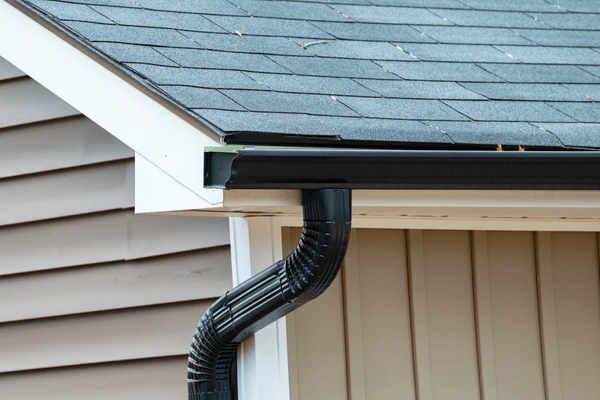
A well‑functioning gutter system quietly channels rainwater off the roof, around your home and away from the foundation. In older homes, gutters tend to be an afterthought until they fail, and that can lead to expensive structural repairs. In this post I’ll use current data and guidelines to demystify when a gutter system has reached the end of its life. You’ll learn to spot the warning signs, budget for replacement, and decide whether simple Gutter Repair, Gutter Installation or a full Gutter Replacement is the smart move.
Gutters safeguard your home by collecting roof runoff and directing it away from siding, fascia boards, landscaping and, most critically, the foundation. When working correctly they prevent basement flooding, wood rot and soil erosion. In many older homes, gutters may be undersized or made from materials that have long since reached the end of their expected life. Vinyl gutters, for example, last about 10–20 years, while aluminum performs well for 20–30 years and copper can last 50–80 years. If your home is 20 years old and still has its original gutters, you’re likely approaching the point where performance begins to decline.
Old gutters can cause damage that isn’t immediately obvious. Water overflowing at the eaves can run down behind siding or soak the sill plate, leading to hidden mold and structural deterioration. Pooling water near the foundation can weaken footings and cause cracks. Because these systems are out of sight, they can silently fail over years, so proactive inspection is essential.
Take a walk around your house during a rainstorm or just after. If you see water spilling over the gutter edge, seams pulling apart, or water pooling near the foundation, it’s a sign the system isn’t doing its job. Sagging sections, separation from the fascia, or frequent leaks suggest the gutter has lost its structural integrity. Rust spots and corrosion on steel gutters indicate the metal is breaking down. Cracks, gaps and holes in vinyl or aluminum sections often begin as small leaks but eventually become gaping openings.
Another red flag is frequent clogging and overflow. If you are cleaning gutters multiple times a season yet still see water backing up, the system may be warped internally or undersized for your roof. Likewise, stained siding, peeling paint or mold on exterior walls often point to hidden leaks. Inside, mildew in the basement, musty smells and dampness around window frames can all trace back to gutters that aren’t channeling water away.
Performance issues also become more common with age. According to a 2026 industry overview, gutters under 15 years old may only need periodic monitoring; those between 15 and 25 years should be professionally evaluated, and systems older than 25 years typically require replacement planning. When the system requires constant patching or sealing to stop leaks, replacement is often more cost‑effective than repeating small repairs.

Installation cost varies widely by material, home size and roof complexity, but recent estimates provide useful benchmarks. The average price for gutter installation ranges from $4–$40 per linear foot, with custom fascia‑style systems at the upper end. If you’re replacing an existing system, plan to add $1–$2 per square foot for removal and disposal. For most single‑story homes with straightforward rooflines, the total cost falls between $2,200 and $5,000.
Material choice strongly influences cost and lifespan. Vinyl/PVC gutters are the cheapest at $3–$7 per foot but only last 10–20 years. Aluminum costs $3–$15 per foot and lasts around 20 years. Copper is the premium option at $15–$40 per foot, with a 50‑year plus lifespan. Steel and zinc fall somewhere in between, offering 20–80 years of service at $5–$35 per foot. When comparing bids, make sure they include corners, downspouts and labor.
*For single‑story homes with simple rooflines. Larger, multi‑story houses or complex roof designs will push costs toward the higher end.
The rule of thumb is that most homes require 100 to 200 linear feet of gutters—about one‑tenth of the home’s square footage. Downspouts should extend to grade level at each corner and additional points where roof slopes converge.
For a 2,000 sq ft home, you can expect to need roughly 180 linear feet of gutters. This estimate assumes a rectangular footprint and straightforward roof; homes with multiple gables or complex rooflines may require additional downspouts and more linear footage. Calculating the total length involves measuring each roof edge that will receive a gutter and summing the lengths. It’s important to account for downspout runs as well. Not every side of the roof may require a gutter—sections without slope may shed water naturally—but professional installers use roof measurements to determine the best configuration.
Gutters around the 20‑year mark have likely experienced significant expansion and contraction cycles, clogs, and minor repairs. Industry guidance notes that gutters over 25 years old often require replacement planning, particularly when overflow, leaks or alignment problems are recurring. If your system is around two decades old and showing signs of sagging, rust, splitting seams or water damage, a proactive replacement is usually a wise investment. New seamless systems minimize joints that can leak and offer improved profiles to handle heavy rainfall.
However, age isn’t the only factor. Well‑maintained copper or zinc gutters can last 50 years or more. If your existing gutters are structurally sound, properly sloped and free from rust, you may extend their life with periodic Gutter Repair. A professional inspection is the best way to assess remaining lifespan and weigh the cost of replacement versus continuing repairs.
Not every defect requires a full gutter overhaul. Small holes from corrosion can be sealed with gutter sealant. Loose brackets can be reattached or replaced; seams can be re‑caulked. Removing clogs often fixes overflowing issues, especially after autumn leaves or spring pollen. These simple repairs are inexpensive and can buy you several more years of service.
The trick is to act early. Left unchecked, minor leaks saturate fascia boards and soffits, leading to rot and structural issues. As cracks widen and fasteners pull free, the gutter system begins to sag and separate. Once structural integrity is compromised, or you’re constantly patching holes and addressing leaks, replacement becomes more cost‑effective. Investing in a modern seamless system reduces maintenance and improves longevity. When in doubt, schedule a professional evaluation to determine whether targeted Gutter Repair will suffice or whether Gutter Replacement is the more prudent choice.

When you commit to new gutters, several decisions affect performance and aesthetics. Material is the first consideration: aluminum is lightweight and rust‑resistant, vinyl is inexpensive but prone to cracking, copper offers longevity and classic beauty, steel resists impact but can rust if not maintained, and zinc develops a self‑healing patina. Style matters as well; K‑style gutters provide high capacity and decorative detail, half‑round gutters suit historic homes, and box gutters fit flat roofs. Seamless gutters, made on site to match your home’s length, reduce leakage and maintenance.
Size depends on roof area and local rainfall. Standard residential gutters are five or six inches wide; larger profiles may be necessary for steep or expansive roofs or in climates with heavy storms. Additional features like gutter guards reduce clogging, while splash blocks protect the ground from erosion. Professional installation is critical; improper slope or spacing of hangers leads to ponding water and sagging. Reputable installers adjust pitch for optimal drainage and secure gutters without damaging fascia boards. Finally, coordinate colors with your roofing and siding for a seamless look.
Homeowners often ask whether they must remove gutters during a roof replacement. In most cases the answer is no. Professional roofers typically protect existing gutters with plywood or tarps and avoid resting ladders or tools on them. Contractors use special ladder standoffs and clean debris after installation so the gutter system remains intact. Removing gutters is not part of a standard roof replacement unless the gutters interfere with critical work or are mounted in a way that covers the roof edge.
There are situations where temporary removal makes sense. Accessing rotten fascia boards, installing drip edge flashing or adjusting alignment may require taking sections down. Roofers may also advise replacement if your gutters are over 15–20 years old so you can upgrade them while the roof is being replaced. Consider the condition of your current gutters and discuss options with your contractor. If you’re replacing both roof and gutters, doing the projects together can save labor and ensure the systems integrate smoothly.
Keeping gutters in good shape is the best way to extend their life. Clean them at least twice a year—more often if your property has overhanging trees. Use a hose to flush out debris and check for leaks. Inspect hangers, brackets and downspouts for signs of loosening or rust. Look for peeling paint or water stains on siding and fascia; these could indicate hidden leaks. Consider installing gutter guards to reduce clogging, but remember they don’t eliminate the need for cleaning.
For older homes, annual professional inspections provide peace of mind. Experts evaluate slope, attachment points and drainage patterns. They can spot issues like undersized gutters or poor downspout placement that homeowners might miss. Periodic Gutter Repair, such as resealing seams or replacing a damaged section, prevents small problems from escalating. And when the time comes, investing in a high‑quality Gutter Replacement protects your roof, siding and foundation for decades.
.jpg)
For older homes, gutters are an unsung hero. They handle the constant flow of rain and snowmelt, shielding your home’s structure from moisture damage. Understanding their lifespan—typically 20–30 years for aluminum, and up to 50 years for copper—and learning to recognize signs of failure helps you budget and plan. Small cracks, rust spots and minor leaks can often be corrected with targeted Gutter Repair, but sagging sections, separated seams and recurring overflow usually signal it’s time for a Gutter Replacement. Installing new gutters is an investment; the right materials, proper sizing and professional installation ensure your home stays protected for the long haul.

With over 25 years of experience, 614 Exteriors LLC provides top-quality roofing and exterior renovations using premium materials at competitive prices. Licensed, bonded, and insured, we take pride in delivering exceptional craftsmanship and personalized service.
614 Exteriors is owned and operated by Keith Staschke. Keith has over 25 years of experience in the construction and roofing industry and can be trusted to get the job done right.
614 Exteriors LLC © 2019-2024 | Privacy Policy

Roofing
Siding
Gutters
Storm Restoration
Work Examples
Interactive Map
Our Materials
1-877-614-TRUST (8787)
contact@614exteriors.com
480 E Wilson Bridge Rd
Worthington, OH 43085
Open Monday–Friday: 9am–5pm
Closed Saturday & Sunday
Bexley
Canal Winchester
Columbus
Delaware
Dublin
Gahanna
Grove City
Groveport
Hilliard
Lewis Center
Marysville
New Albany
Pickerington
Powell
Reynoldsburg
Sunbury
Upper Arlington
Westerville
Worthington
There is a good chance we will be able to serve you where you are located.

