614 Exteriors is the ONLY Atlas PRO+™ Diamond Level Contractor in the Greater Columbus Area and only 1 of 3 in the state of Ohio
Learn MoreShould I replace my whole roof or repair it after shingles blow off? Learn how age, damage and insurance impact the right roofing decision.

When high winds or a sudden storm rips shingles from your roof it can feel like your home’s shield has been compromised. In Northeast Ohio and similar storm‑prone regions, roofs protect us through snow, rain and intense sunlight. Damage raises a familiar question: should you repair the affected area or invest in a full roof replacement? A thoughtful answer requires balancing age, extent of damage, costs and future plans. As a homeowner, I’ve learned that rushing to a decision often leads to more headaches down the road. Taking a structured approach ensures your family and your investment remain secure.
The age of your roof is the first clue about whether a quick Roof Repair will suffice or a comprehensive Roof Replacement is necessary. Asphalt shingle roofs typically last between 20 and 25 years for homes like ours in North Olmsted. The Roof Needs Fixing guide notes that roofs under 10 years old almost always qualify for repairs, while roofs over 20 years generally warrant replacement. In the middle—10 to 15 years—it depends on how isolated the damage is; for example, a few missing shingles can be patched, whereas widespread cracking suggests the system is failing.
Age ties directly to the extent of damage. Roofing professionals point out that localized damage—such as a few shingles torn from an otherwise solid roof—can often be addressed through targeted repairs. Widespread damage across several sections, however, indicates that the roof may be broadly compromised. In those cases, continuing with periodic fixes may cost more than opting for a new Roof Installation and enjoying the peace of mind that comes with modern materials and warranties. Experienced contractors also look at the type of material (asphalt shingles, metal, tile) and how it fails over time. Damaged flashing, missing granules and brittle shingles are signs that the roof is nearing the end of its life and replacement is prudent.

Storms don’t just tear off shingles at random; they reveal weaknesses. High winds exploit cracked shingles, lifted edges and poor nailing, causing nearby shingles to detach. Older roofs often lose their adhesive grip after freeze‑thaw cycles and heat, making them more vulnerable to blow‑offs. A small, confined patch of missing shingles on a younger roof generally signals a repair job. In contrast, when shingles are missing in multiple areas, curled or cracked across the surface, a Roof Replacement is the smarter long‑term choice.
Moisture is another critical indicator. Minor leaks might come from a single damaged shingle or flashing and can be handled with a patch. Multiple leaks or persistent damp spots often suggest deeper structural issues. Hidden damage in the attic—wet insulation, mold or daylight shining through boards—means water is entering through compromised areas. Leaving those problems unresolved can lead to mold growth and rotting wood, so replacement becomes necessary to protect your home.
Many homeowners ask whether it’s more cost‑effective to replace a few shingles or the entire roof. The answer hinges on cost comparisons and repair history. Roofers often calculate the repair‑to‑replacement ratio: if the repair cost is less than 25 % of a new roof, repair is usually the right call; between 25 % and 50 %, consider age—lean toward repair for roofs under 15 years; above 50 %, replacement makes financial sense. This framework helps you evaluate quotes objectively.
Repeated repairs can also signal that it’s time to stop patching. If your roof has been fixed multiple times after previous storms, contractors warn that another patch may delay the inevitable. Each fix adds cost but doesn’t address underlying weaknesses. Think of it like an aging car: at some point, you stop replacing parts and buy a reliable vehicle. Likewise, investing in a full Roof Installation can provide modern materials, energy efficiency and improved resale value.
A practical way to weigh these factors is to list your roof’s age, repair history and the scope of the current damage. Then compare the quote for repair versus replacement. If your roof is approaching 20 years and the repair bill climbs toward half the cost of new materials, replacement becomes the prudent choice. Conversely, a five‑year‑old roof with one torn patch almost always merits repair.
Even the best DIY inspections can miss hidden problems. Experienced roofing professionals have the training and equipment to spot subtle forms of damage such as lifted shingles, hail bruising and compromised seal strips. They also inspect the attic for water stains, wet insulation and ventilation issues. These clues reveal whether moisture has penetrated the roofing system and whether structural elements are at risk.
During a professional assessment, contractors weigh age, extent of damage, material type, leak severity and repair history. They’ll give you a written report explaining whether targeted Roof Repair will suffice or if a full Roof Replacement is warranted. A trustworthy roofer will answer your questions honestly and avoid pressuring you into unnecessary work. Ask to see photos of damaged areas and request more than one quote to ensure you’re getting a fair assessment.
Homeowners sometimes schedule roofing projects in the off‑season to take advantage of contractor availability and possible discounts. Manufacturers such as GAF caution that asphalt shingles lose flexibility and can crack when temperatures dip below 40 °F/4 °C. The adhesive seal strip on each shingle needs warmth and sunlight to activate; without temperatures above 40 °F/4 °C, the strips may not bond properly. This means shingles installed in cold weather are more vulnerable to wind uplift and water infiltration.
That doesn’t mean cold‑weather roofing is impossible. The official recommendation allows installation below 40 °F as long as contractors follow special precautions. These include storing shingles in a warm space before installation, hand‑sealing each tab with approved asphalt cement, and working during the warmest part of the day. Roofers must also handle shingles carefully to prevent cracking and use precise nailing techniques. If you plan a project when it’s around 45 °F, work closely with a reputable contractor experienced in winter installations. They’ll ensure materials are acclimated and sealed correctly, protecting your investment despite the cool temperatures.
Insurance can significantly influence your repair-versus‑replacement decision. Storm damage is often covered under standard homeowner policies, but the details matter. The Insurance Information Institute advises homeowners to document storm damage thoroughly—take date‑stamped photos, save receipts for emergency measures, and report the loss promptly. Filing quickly helps preserve evidence and keeps claims from being denied for lateness. Many policies require owners to mitigate further damage, so placing a tarp and moving valuables prevents secondary problems.
When reviewing your policy, consider the repair‑to‑replacement cost ratio. If the repair cost is relatively low and your roof is young, insurance may cover the fix minus your deductible. However, if damage is extensive and insurers are willing to pay for most of a new roof, upgrading to a replacement makes sense. Multiple claims in recent years can impact premiums or renewal, so weigh the benefits carefully. An experienced roofer can work with your adjuster to document damage and ensure you receive fair coverage.
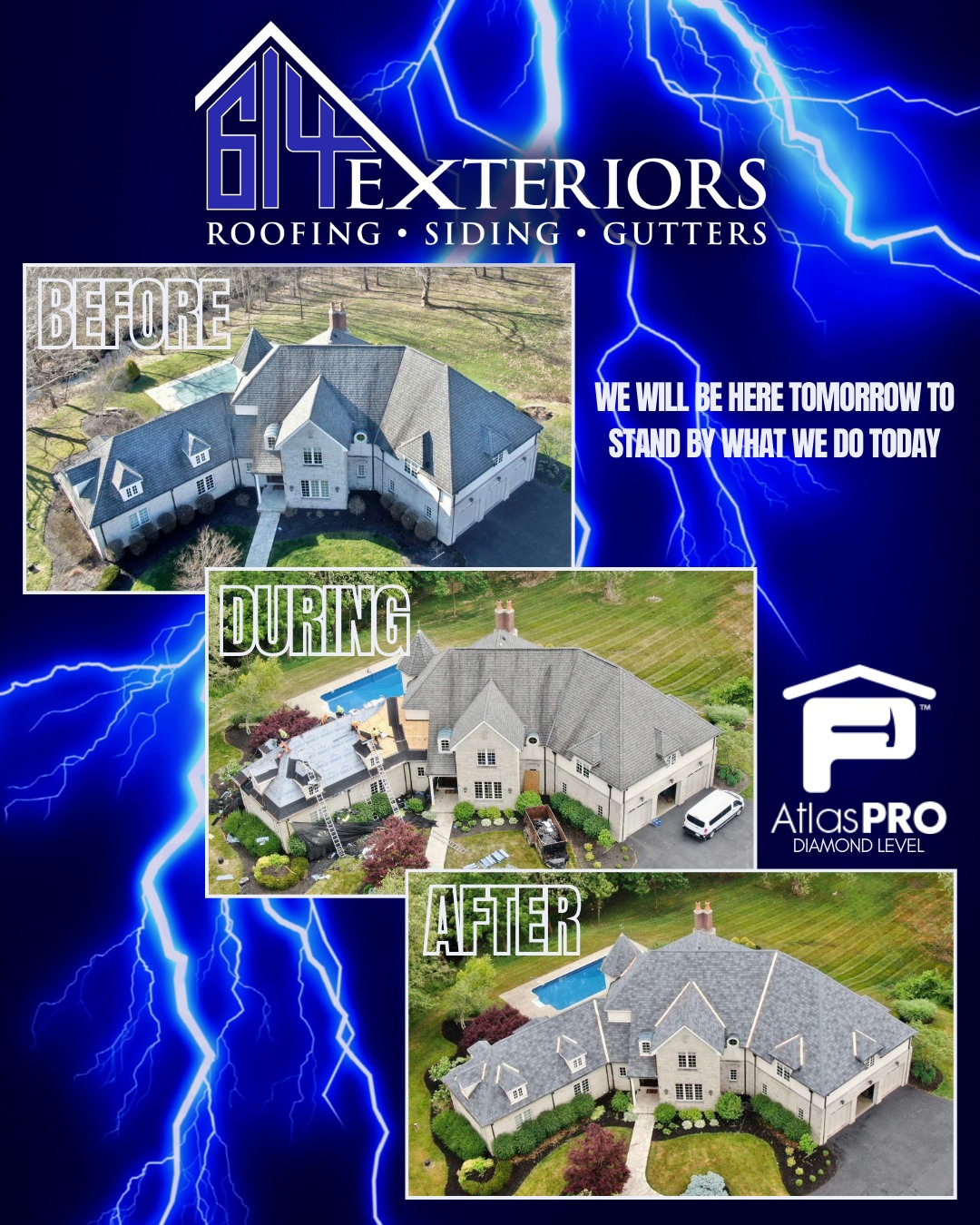
Finding the right contractor is as important as deciding between repair and replacement. Look for a roofer who is licensed, insured and experienced in storm restoration. Ask for references and verify their work on homes similar to yours. Reputable contractors will provide a written scope of work with photos and explain the difference between short‑term patches and long‑term solutions. They should also offer labor and manufacturer warranties and answer your questions about Roof Installation materials and techniques.
Avoid “storm chasers” who pressure you into signing quickly or promise to cover your deductible. Genuine professionals take time to inspect the roof thoroughly and discuss your options honestly. Get multiple estimates so you can compare scope, materials and price. Your final choice should feel like a partnership rather than a sales pitch.
Replacing or repairing a roof isn’t just a one‑time event—it’s part of a broader maintenance plan. After a new roof is installed, take time to inspect the work. The What to Check After Roofers Installed A New Roof guide recommends verifying that shingles are aligned, flashing is clean and properly sealed, and debris is removed. Inside, look for sunlight peeking through boards or damp insulation and ensure intake and exhaust vents are unobstructed. This post‑installation check protects your warranty and catches minor issues before they become major problems.
Regular maintenance extends the life of your Roof Repair or replacement. Clean gutters twice a year, trim overhanging branches and remove debris. Inspect the attic for moisture and ventilation issues. Schedule professional inspections every few years to catch nail pops, small leaks or worn sealant. When storms hit, act quickly: place buckets under drips, move valuables away and use temporary tarps to minimize damage while you arrange professional repairs. Keeping records of all maintenance and repairs also helps with insurance claims and resale value.
In the end, the question “Should I replace my whole roof or repair my roof after shingles came off from a storm?” doesn’t have a one‑size‑fits‑all answer. It depends on the age of your roof, the severity and scope of the damage, and your long‑term plans. Younger roofs with minor, localized damage often benefit from targeted repairs, saving money and extending life. Older roofs with widespread damage, recurring leaks or brittle shingles usually warrant replacement for long‑term security.
By partnering with a reputable roofer, documenting damage for insurance and following a proactive maintenance plan, you can keep your home safe and your roof in top condition. Whether you decide on a Roof Repair or full Roof Replacement, understanding the factors behind the decision empowers you to choose confidently. Your roof is more than shingles—it’s your home’s shield, and with the right care, it will stand strong against whatever the next storm brings.


With over 25 years of experience, 614 Exteriors LLC provides top-quality roofing and exterior renovations using premium materials at competitive prices. Licensed, bonded, and insured, we take pride in delivering exceptional craftsmanship and personalized service.
614 Exteriors is owned and operated by Keith Staschke. Keith has over 25 years of experience in the construction and roofing industry and can be trusted to get the job done right.
614 Exteriors LLC © 2019-2024 | Privacy Policy

Roofing
Siding
Gutters
Storm Restoration
Work Examples
Interactive Map
Our Materials
1-877-614-TRUST (8787)
contact@614exteriors.com
480 E Wilson Bridge Rd
Worthington, OH 43085
Open Monday–Friday: 9am–5pm
Closed Saturday & Sunday
Bexley
Canal Winchester
Columbus
Delaware
Dublin
Gahanna
Grove City
Groveport
Hilliard
Lewis Center
Marysville
New Albany
Pickerington
Powell
Reynoldsburg
Sunbury
Upper Arlington
Westerville
Worthington
There is a good chance we will be able to serve you where you are located.

