614 Exteriors is the ONLY Atlas PRO+™ Diamond Level Contractor in the Greater Columbus Area and only 1 of 3 in the state of Ohio
Learn MoreShould You Replace Your Roof Before Winter in Columbus, Ohio? Learn the warning signs, costs, and best time for replacement.
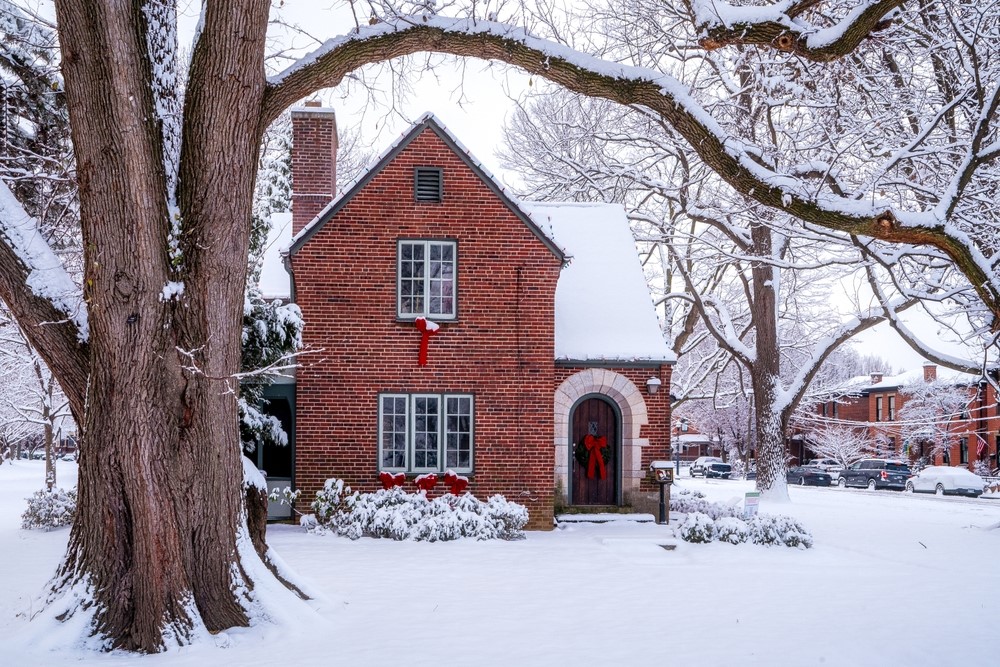
Should you replace your roof before winter in Columbus, Ohio? If your roof has missing shingles, recurring leaks, significant storm damage, or is approaching the end of its lifespan, replacing it before winter is often the smartest choice. However, a roof in good condition may only need minor repairs or maintenance to handle the colder months.
Columbus winters bring freezing temperatures, snow, ice, and repeated thawing that can expose existing roofing problems. The challenge is knowing whether your roof needs immediate attention or can safely last another season.
At 614 Exteriors, owner Keith Staschke has spent more than 25 years in the roofing and exterior renovation industry. His experience has shown that what appears to be minor roof damage can sometimes reveal much larger problems underneath.
Replacing a failing roof before winter reduces the likelihood of leaks, moisture damage, and emergency repairs during freezing weather. It also gives homeowners more flexibility to schedule installation while temperatures are generally more favorable.
According to the National Weather Service, Columbus has a normal January high of approximately 37°F and a low of 22°F, based on its 1991–2020 climate records. These conditions create additional challenges for aging shingles, exposed roof decking, and improperly sealed flashing.
When temperatures fluctuate above and below freezing, trapped moisture can expand as it freezes. Over time, repeated freeze-thaw cycles may worsen existing roofing problems.
A small leak in October may become a much bigger problem by February. Water can travel beneath damaged shingles, soak roof decking, and eventually reach attic insulation or ceilings.
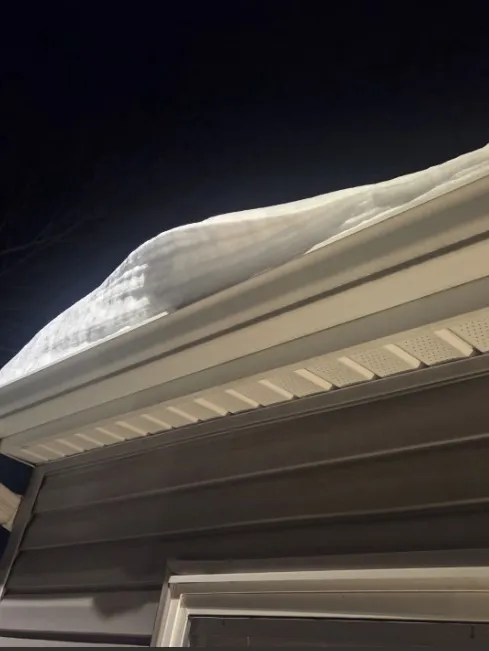
Winter also increases the potential for ice dams, particularly when warm attic air melts snow that later refreezes near the roof's edge.
If your roof already shows signs of failure, waiting several months may cost more than addressing the problem before winter arrives.
Not every damaged shingle requires a complete replacement. However, several warning signs suggest that your roof deserves professional attention before colder weather arrives.
Look for these conditions:
One concern homeowners frequently overlook is the condition of the wood beneath their shingles.
Keith recalls roofing projects where removing the existing shingles revealed extensive plywood damage underneath.
What initially appeared to be a straightforward replacement suddenly required additional materials and structural preparation.
In some cases, his crews needed an unexpected truckload of plywood delivered after discovering the damage during tear-off.
Fortunately, these situations are something 614 Exteriors prepares for. Keith explains that identifying possible decking damage before starting work helps the team respond without unnecessary delays.
This is particularly important before winter, when leaving portions of a roof exposed can create additional complications.

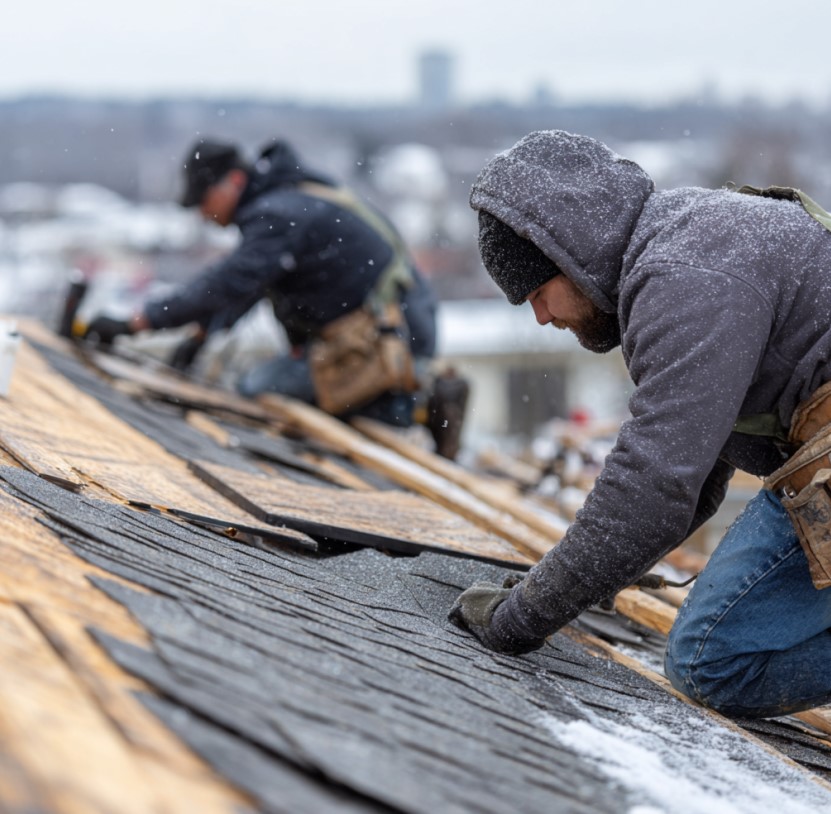
Asphalt shingles can sometimes be installed during cold weather, but temperatures below approximately 40°F require additional precautions. There is no universal cutoff because installation requirements depend on the manufacturer's instructions, shingle flexibility, and weather conditions.
Cold shingles can become less flexible, increasing the possibility of cracking or damage during handling.
The adhesive strips responsible for bonding shingles together may also take longer to activate when sunlight and temperatures are limited.
Yes, experienced Roofing Contractors can complete certain installations during winter when conditions permit.
However, colder installations may require special handling, additional sealing procedures, and closer attention to manufacturer recommendations.
For example, GAF recommends hand-sealing shingles in cold-weather applications to improve their resistance to wind-related movement.
A reputable contractor should also postpone installation when ice, snow, high winds, or unsafe working conditions make the project hazardous.
That is why early fall is generally a more convenient time to schedule roofing work.
The average roof replacement cost in Ohio is approximately $6,831, according to a June 2026 analysis from This Old House. Its reported costs range from approximately $5,222 to $17,531, although larger homes and premium roofing systems may exceed that range.
Your actual price depends on several factors, including roof size, material selection, slope, existing damage, and installation complexity.
Keith spent 11 years working at Feazel before running another exterior company for five years. Those experiences helped shape his approach when building 614 Exteriors.
He learned that successful contracting companies deliver on their promises, communicate clearly, and hire people capable of producing consistent results.
One important improvement was introducing HOVER estimating technology, allowing his team to develop detailed estimates in the field.
For homeowners considering Roof Replacement, an accurate estimate is particularly valuable when unexpected decking damage could affect the final price.
A 20-year-old asphalt roof should be inspected, but its age alone does not automatically mean replacement is necessary.
Traditional three-tab shingles often last approximately 15–20 years, while well-maintained architectural shingles may last 25–30 years under favorable conditions.
Weather exposure, ventilation, installation quality, and maintenance all influence actual longevity.
A roof that has experienced repeated wind damage may need replacement earlier than one that has remained properly maintained.
For additional information, read our guide on How long do roofs last in ohio.
Not necessarily. A 30-year shingle may reach that age, but its advertised lifespan should not be treated as a guarantee.
Columbus weather exposes roofing materials to summer heat, winter freezing, severe thunderstorms, and occasional hail.
Even premium materials can deteriorate prematurely when ventilation is inadequate or installation is incorrect.
Homeowners should also understand that manufacturer warranties have specific coverage limitations and are not promises that a roof will remain problem-free for 30 years.
The commonly discussed 25% roofing rule refers to requirements in certain jurisdictions or insurance situations where damage affecting a specified portion of a roof may trigger broader replacement obligations.
However, homeowners should not assume that Ohio has a universal rule requiring complete roof replacement whenever 25% of the roof is damaged.
Applicable building requirements, insurance policies, and claim circumstances determine what work is necessary.
Sometimes, but coverage depends on the policy, cause of damage, roof condition, and applicable requirements.
Storm-related damage may qualify for coverage, while ordinary deterioration and deferred maintenance generally do not.
Before filing a claim, document the damage and review your coverage.
A trustworthy Columbus Roofing Company can explain the visible damage and provide an assessment without promising an insurance outcome.
Dishonest or unreliable roofing contractors may exaggerate damage, pressure homeowners into signing immediately, or promise insurance coverage before an adjuster evaluates the property.
Warning signs include refusing to provide written estimates, avoiding warranty questions, and demanding unusually large upfront payments without clear contractual protections.
Keith has seen firsthand how frustrating unreliable contractors can be.
He recalls a family friend who lost three shingles during a storm and initially worked with another company that eventually stopped responding.
614 Exteriors later helped the family complete a much more extensive roofing project involving the roof, decking, and gutters.
For a household raising three young children, getting dependable help made a meaningful difference.
Keith encourages homeowners to research contractors before allowing someone onto their roof, especially following major storms.
Storm-chasing companies sometimes travel into Ohio following severe weather and leave after local demand declines.
If problems arise months later, obtaining warranty service can become difficult.
Working with an established local contractor provides greater accountability and makes follow-up communication easier.
The decision depends on the extent of damage, age of the roof, and whether repairs can provide dependable protection.
A few isolated damaged shingles on a relatively new roof may justify repairs. Widespread deterioration, multiple leaks, or failing decking generally warrant a more serious replacement discussion.
Keith's experience reinforces the importance of understanding the entire project before making recommendations.
He once encountered a small stucco repair that revealed unexpectedly extensive damage. The project eventually exceeded the company's intended scope, and he chose to refund the customer so a more specialized contractor could handle the work.
That experience reinforced a lesson he continues applying: recognize the limits of a project, communicate honestly, and put the homeowner's needs first.
The same principle applies to roofing. A contractor should explain when repairs are sufficient and when replacement provides better long-term value.
Replacing your roof before winter can prevent existing damage from becoming a more expensive problem, but not every home needs a new roof.
The best starting point is a professional inspection that evaluates shingles, flashing, ventilation, and underlying materials.
At 614 Exteriors, Keith Staschke emphasizes having experienced crews, dependable communication, and the right people in place to deliver consistent results. The company is also an Atlas PRO+™ Diamond Level Contractor serving Greater Columbus.
If your roof is approaching 20 years old, experiencing repeated leaks, or showing signs of storm damage, contact 614 Exteriors for an inspection and an honest assessment before winter weather arrives.

With over 25 years of experience, 614 Exteriors LLC provides top-quality roofing and exterior renovations using premium materials at competitive prices. Licensed, bonded, and insured, we take pride in delivering exceptional craftsmanship and personalized service.
614 Exteriors is owned and operated by Keith Staschke. Keith has over 25 years of experience in the construction and roofing industry and can be trusted to get the job done right.
614 Exteriors LLC © 2019-2024 | Privacy Policy

Roofing
Siding
Gutters
Storm Restoration
Work Examples
Interactive Map
Our Materials
1-877-614-TRUST (8787)
contact@614exteriors.com
480 E Wilson Bridge Rd
Worthington, OH 43085
Open Monday–Friday: 9am–5pm
Closed Saturday & Sunday
Bexley
Canal Winchester
Columbus
Delaware
Dublin
Gahanna
Grove City
Groveport
Hilliard
Lewis Center
Marysville
New Albany
Pickerington
Powell
Reynoldsburg
Sunbury
Upper Arlington
Westerville
Worthington
There is a good chance we will be able to serve you where you are located.

