614 Exteriors is the ONLY Atlas PRO+™ Diamond Level Contractor in the Greater Columbus Area and only 1 of 3 in the state of Ohio
Learn MoreWhat are the signs of poor attic ventilation before winter? Learn what Columbus homeowners should check before cold weather.
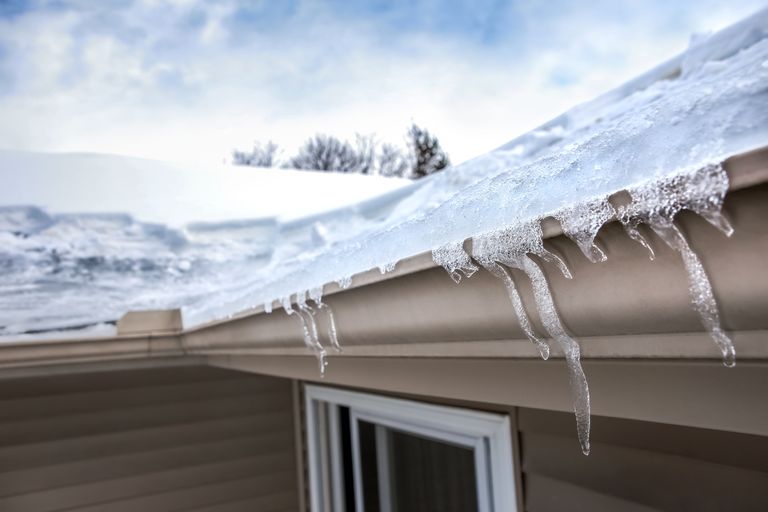
The clearest signs of poor attic ventilation before winter are condensation or frost on nails and roof decking, damp or compressed insulation, musty odors, visible mold, rusted metal, uneven snowmelt, recurring ice dams, and an attic that feels unusually warm or humid. These are warning signs that heat and moisture are not being managed correctly.
For Columbus homeowners, this is worth checking before the first long stretch of freezing weather. NOAA’s 1991–2020 climate normals show Columbus averages 28.2 inches of snow per year. Knowing what are the signs of poor attic ventilation before winter can help you catch a manageable issue before snow, ice, and freeze-thaw cycles make it more expensive.
Poor ventilation rarely announces itself with one dramatic symptom. More often, several small clues appear together: dark roof-deck staining, rusty nails, damp insulation, water droplets, musty odors, or frost on cold mornings.
Outside, the roof can tell a story too. If snow melts quickly over the heated portion of the house but remains near the eaves, excess heat may be escaping into the attic. That melted snow can run downhill, refreeze at the colder roof edge, and contribute to ice dams.
The full condition of a roof system is not always visible from the surface. Keith Staschke of 614 Exteriors has described tear-offs where damaged plywood only became fully apparent once the roofing materials came off. Attic warning signs deserve attention before they become hidden decking damage.
Check the attic on a cool day when there is a noticeable temperature difference between indoors and outdoors. Use a flashlight to inspect decking, rafters, nails, insulation, soffits, and exhaust areas.
Do not assume that adding a fan is automatically the answer. Poor ventilation can be part of the problem, but air leaks from the living space, excessive indoor humidity, missing insulation, and improperly vented bathroom fans can all send warm, moist air into the attic.
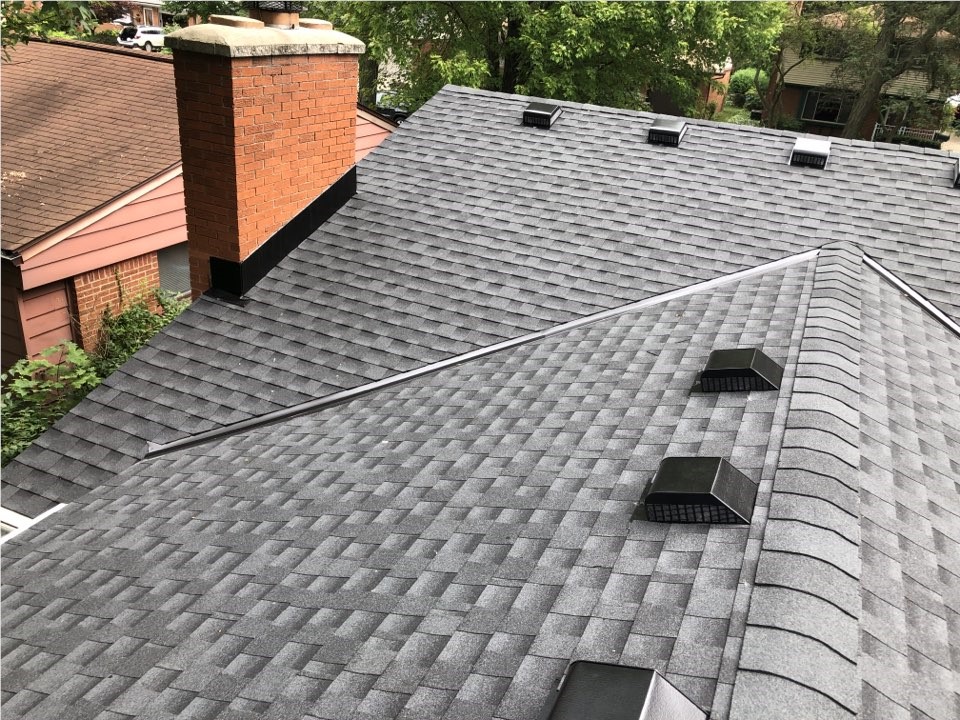
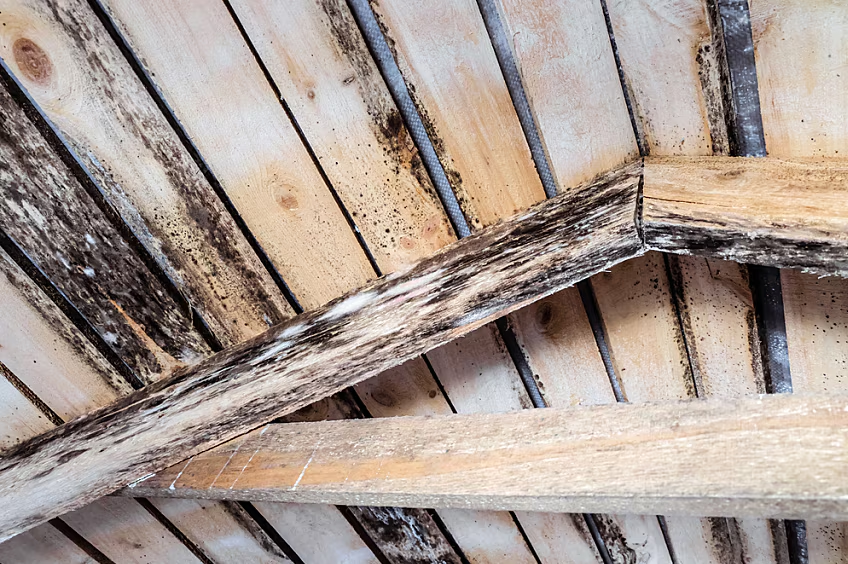
Yes. Start with your eyes, nose, and hands, but be cautious around insulation and electrical components. Condensation beads, frost, damp insulation, stains on wood, musty smells, and rust are all signs that moisture has been present.
A moisture meter can help evaluate suspicious wood when staining is visible but the material does not feel wet. More important than proving moisture exists is finding where it comes from.
That distinction matters. A roof leak allows exterior water in, while condensation can develop when warm, moist household air reaches cold attic surfaces. ENERGY STAR also recommends professional help when homeowners find wet insulation, moldy or rotted rafters, bath or dryer vents exhausting into the attic, or very little attic ventilation.
A poorly performing attic can hold moisture against wood and insulation for long periods. Over time, that may contribute to staining, mold growth, corrosion, deteriorated sheathing, reduced insulation performance, and premature roof-system problems.
In winter, the bigger issue is often the combination of heat loss and moisture. Warm air leaking from the home can heat the underside of the roof while outdoor air keeps the eaves cold. Snow may melt higher on the roof, move toward the edge, and freeze again.
Rooms below an attic with air leaks or poor insulation may also feel drafty or uneven. Ventilation helps, but it works best with proper air sealing and insulation.
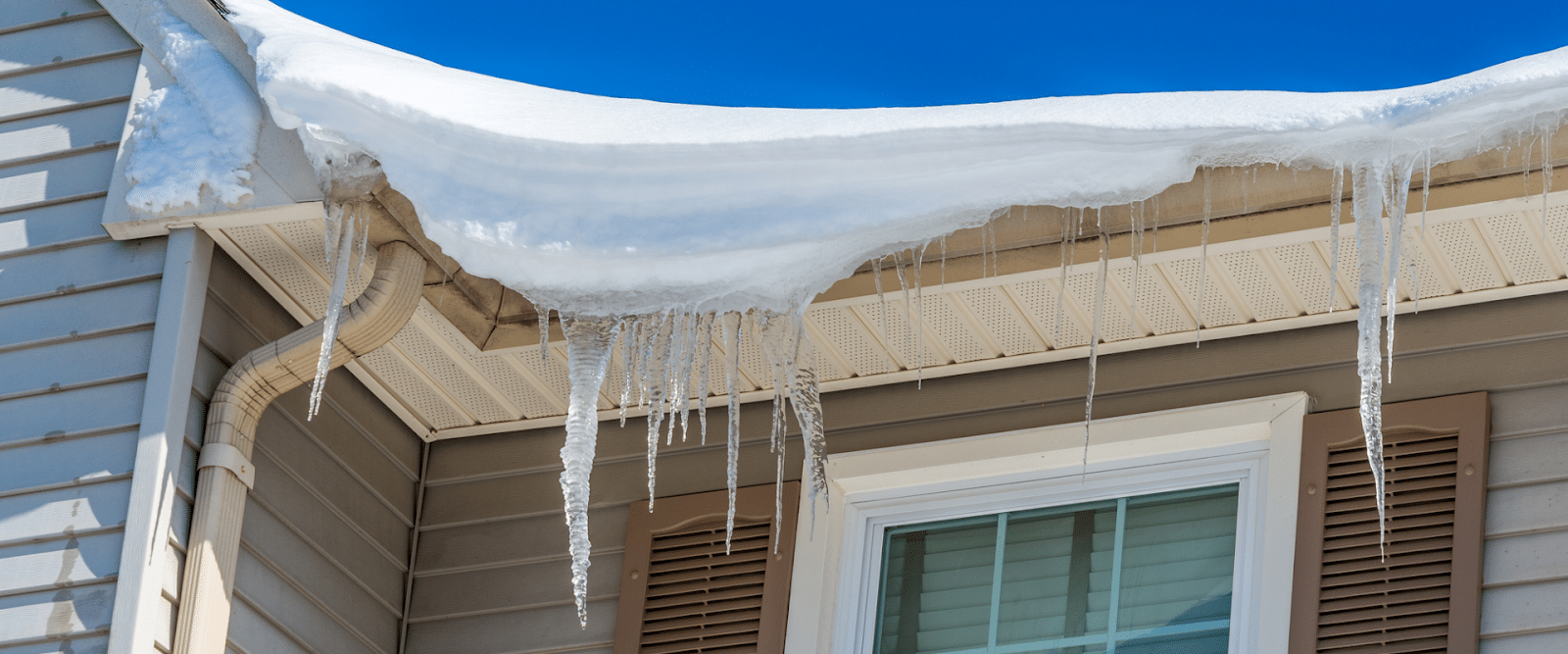
Ice dams are not proof of a ventilation problem by themselves, but they are a reason to investigate the attic. ENERGY STAR explains that keeping the attic cold in winter through proper ventilation, insulation, and air sealing helps reduce the potential for ice damming.
Look at your roof after snowfall. If large patches melt over living spaces while overhangs remain snow-covered, heat may be reaching the roof deck from below. Icicles alone do not diagnose the problem, but repeated heavy icing deserves a closer look.
In Central Ohio, snow does not need to remain for weeks to cause trouble. Repeated melting and refreezing can expose weak points quickly.
No. In a traditionally vented attic, soffit, ridge, gable, or roof vents should not be covered simply because it is cold outside. The purpose of the system is to allow outdoor air to enter low and attic air to exit high while the insulation and air-sealing layers keep household heat where it belongs.
One of the most common mistakes is pushing insulation into the eaves and accidentally blocking soffit vents. Baffles or rafter vents can maintain an airflow channel above the insulation. For a homeowner-friendly explanation, see ENERGY STAR’s attic ventilation guide.
Properly designed unvented attics do exist, but they are different systems. If your home was built with a vented attic, closing vents for winter can trap moisture rather than solve the problem.
The right repair depends on the cause. A contractor may clear blocked soffits, install baffles, add or correct intake and exhaust ventilation, seal ceiling penetrations, improve insulation, or reroute bathroom and dryer exhaust ducts so they terminate outdoors.
Balance matters. Adding exhaust without enough intake can perform poorly, and a powered attic fan is not a substitute for fixing major air leaks. The best approach considers ventilation, air sealing, insulation, humidity, and the roof together.
At 614 Exteriors, the practical lesson from hidden roof damage is simple: identify what is actually failing before expanding the scope of work. Sometimes the issue is ventilation. Sometimes it is a leak, deteriorated decking, or a combination of several problems.
Cost varies widely because “improving ventilation” can mean anything from clearing blocked soffits to adding several new roof vents or changing the ventilation layout. As a broad 2026 national benchmark, Angi reports professional roof vent installation at roughly $200 to $750 per vent, with an average around $475.
That does not mean every Columbus attic will cost that amount. Roof pitch, vent style, accessibility, air-sealing needs, and moisture damage can all change the final price.
A smaller correction might mean clearing intake vents or adding baffles. Larger projects may require new vents, air sealing, insulation, or damaged-sheathing repairs.
Poor ventilation should not automatically lead to a new roof. But if long-term moisture has damaged the roof deck, or if the shingles are already near the end of their service life, ventilation improvements may need to be coordinated with roofing work.
Depending on the inspection, that may mean Roof Repair, Roof Replacement, or planning ventilation correctly during a new Roof Installation. Airflow improvements cannot replace repairs to rotted decking or active leaks.
Roof age also matters. If you are unsure whether the roof is simply showing a ventilation symptom or is nearing the end of its useful life, read How long do roofs last in ohio for a practical look at Central Ohio roofing lifespans and the factors that shorten them.
A pre-winter attic check does not need to be complicated. Look for moisture, blocked airflow, staining, and signs that household air is reaching places it should not. One clue may not mean a major problem, but several deserve attention.
We would rather see damp insulation or blocked soffits addressed in October than soft roof decking discovered during a winter leak. Moisture problems tend to grow, and cold weather can complicate repairs.
If you see frost, wet insulation, dark decking, recurring ice dams, or uneven snowmelt, have the attic and roof evaluated together. The goal is not simply “more ventilation,” but the right balance of airflow, insulation, air sealing, and a sound roof.

With over 25 years of experience, 614 Exteriors LLC provides top-quality roofing and exterior renovations using premium materials at competitive prices. Licensed, bonded, and insured, we take pride in delivering exceptional craftsmanship and personalized service.
614 Exteriors is owned and operated by Keith Staschke. Keith has over 25 years of experience in the construction and roofing industry and can be trusted to get the job done right.
614 Exteriors LLC © 2019-2024 | Privacy Policy

Roofing
Siding
Gutters
Storm Restoration
Work Examples
Interactive Map
Our Materials
1-877-614-TRUST (8787)
contact@614exteriors.com
480 E Wilson Bridge Rd
Worthington, OH 43085
Open Monday–Friday: 9am–5pm
Closed Saturday & Sunday
Bexley
Canal Winchester
Columbus
Delaware
Dublin
Gahanna
Grove City
Groveport
Hilliard
Lewis Center
Marysville
New Albany
Pickerington
Powell
Reynoldsburg
Sunbury
Upper Arlington
Westerville
Worthington
There is a good chance we will be able to serve you where you are located.

