614 Exteriors is the ONLY Atlas PRO+™ Diamond Level Contractor in the Greater Columbus Area and only 1 of 3 in the state of Ohio
Learn MoreWhat do gutters cost on average for a 2 story house? Learn the typical price range, materials, and installation factors that influence two-story gutter costs.

If you’re like most homeowners, you’re wondering what a typical two-story gutter installation will set you back. A 2,000-square-foot, two-story home usually needs around 200 linear feet of gutters, and pricing is generally calculated by the foot. Industry guides suggest that homeowners should expect to pay $12 to $33 per linear foot depending on materials, roof layout, labor, and regional differences. That means most two-story homes fall between $2,000 and $6,600 for a standard project. These ranges help set expectations, but what you actually pay depends on what your home needs for long-term performance and durability, along with quality gutter replacement that protects your structure.
When homeowners ask how much they should expect to pay for gutters, the conversation usually starts with materials. Vinyl and aluminum are often the least expensive, but vinyl has a short lifespan and can crack during extreme temperature changes. Aluminum tends to offer a balanced middle ground, especially when paired with seamless construction. Copper and zinc can last 50 years or more, but they are premium materials with premium price tags. A realistic budget comes down to whether you want the lowest upfront cost or the best value over decades with professional gutter installation that lasts.
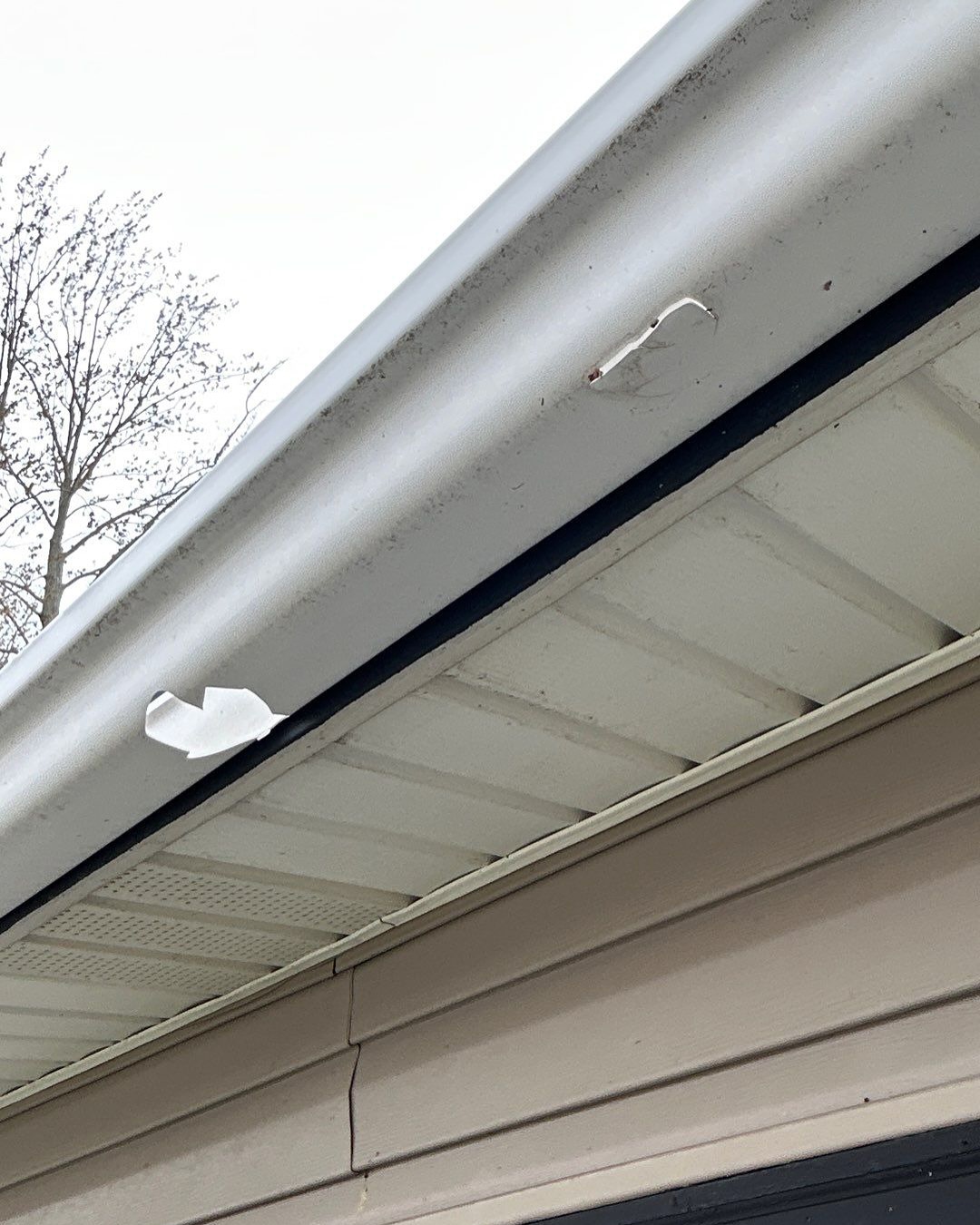
Material selection has the biggest impact on upfront pricing and long-term value. Vinyl and PVC are inexpensive but may crack from UV exposure or pressure. Aluminum is cost-effective, durable, and a common choice for seamless installation, while galvanized steel holds up well in harsh climates but requires more labor due to weight. Copper and zinc stand out for aesthetics and longevity, especially for historic or high-value homes. The best choice isn’t always the most expensive material, but the one that performs well for the climate and structure of your home.
These figures represent typical full-home installations for a two-story property using standard materials. Prices vary based on region, style, and available labor.
Most homes use 5-inch or 6-inch K-style gutters. These are the most commonly installed profiles today because the K-style shape holds more water than half-round systems and blends well with modern trim styles.
Choosing the correct size helps prevent overflow and ensures efficient drainage during storms.
The cost of a full system doesn’t come from gutters alone. Homeowners may also need end caps, downspouts, brackets, hangers, splash blocks, or sealed seams to ensure proper drainage. If fascia or soffit boards are rotted or misaligned, they must be repaired before installation to prevent failure. Additional costs can also come from adding protective gutter covers, larger downspouts, or drainage extensions. While this adds more upfront cost, it reduces damage risks and long-term maintenance, especially with reliable gutter replacement services installed by a qualified team.
Leaf guards can also be added to reduce debris buildup and ongoing cleaning needs, though many homeowners treat them as a separate upgrade depending on budget.
A helpful related read that expands on cost drivers for typical home sizes can be found here: How much does it replace to install gutters on 2,000 square foot house?
.jpeg)
If your gutters are nearing 20 years old, replacement may be the most cost-effective option. Sagging sections, persistent overflow, seam leaks, visible rust, or water pooling near the foundation indicate the system is at the end of its lifespan. While minor repairs can help short-term, patching old systems can lead to ongoing expenses. Replacement becomes the smarter investment when frequent clogging, misalignment, or material failure threatens siding, roofing, or foundation stability. Age alone isn’t the issue; performance is.
Not all gutter problems require full replacement. If gutters are structurally sturdy but your home experienced storm damage or a section disconnected from hardware, a targeted fix may be the best option. Stains on siding, minor leaks, or debris buildup may indicate cleaning or resealing rather than an entire new system. Homeowners who spot early warning signs may prevent major failures with maintenance instead of replacement. However, repairs lose value when cracks, rust, or structural sagging become persistent.
DIY gutter work can save labor costs for homeowners using vinyl or sectional aluminum pieces. However, seamless systems require specialized machines that are only available to professionals. Many heavier materials such as copper, zinc, and steel demand trained crews due to weight and precision. Hiring professionals ensures proper slope, secure mounting, and long-term performance without safety risks associated with working at heights. While DIY reduces labor costs, professional services provide durability and warranty benefits that often offset savings.
Professional installation becomes especially important when dealing with aging homes, steep rooflines, multiple levels, and specialty materials. Inexperienced installs can cause improper drainage that leads to soil erosion or foundation issues, resulting in costly repairs later.
To help extend the lifespan of your gutters, routine cleaning twice a year and optional gutter guards can significantly reduce maintenance. A properly installed, well-maintained system offers years of protection against structural damage. A purposeful investment today prevents expensive water-related repairs and protects your home more effectively over time.

With over 25 years of experience, 614 Exteriors LLC provides top-quality roofing and exterior renovations using premium materials at competitive prices. Licensed, bonded, and insured, we take pride in delivering exceptional craftsmanship and personalized service.
614 Exteriors is owned and operated by Keith Staschke. Keith has over 25 years of experience in the construction and roofing industry and can be trusted to get the job done right.
614 Exteriors LLC © 2019-2024 | Privacy Policy

Roofing
Siding
Gutters
Storm Restoration
Work Examples
Interactive Map
Our Materials
1-877-614-TRUST (8787)
contact@614exteriors.com
480 E Wilson Bridge Rd
Worthington, OH 43085
Open Monday–Friday: 9am–5pm
Closed Saturday & Sunday
Bexley
Canal Winchester
Columbus
Delaware
Dublin
Gahanna
Grove City
Groveport
Hilliard
Lewis Center
Marysville
New Albany
Pickerington
Powell
Reynoldsburg
Sunbury
Upper Arlington
Westerville
Worthington
There is a good chance we will be able to serve you where you are located.

