614 Exteriors is the ONLY Atlas PRO+™ Diamond Level Contractor in the Greater Columbus Area and only 1 of 3 in the state of Ohio
Learn MoreA comprehensive guide comparing Atlas and GAF shingles—exploring algae resistance, impact ratings, wind performance, costs and warranties to help you choose the

Selecting the right roofing shingle is about much more than color or curb appeal. It’s a decision that impacts how well your home withstands wind, rain, hail and heat. Quality shingles are built with a durable fiberglass mat, a generous asphalt layer and ceramic granules that protect against ultraviolet radiation. The weight of the shingle often tells you how much material you’re getting; premium architectural shingles like Atlas Pinnacle Pristine weigh around 240‑260 pounds per square, while many economy shingles weigh only about 200‑220 pounds. Those extra pounds translate into thicker, more robust construction that can better resist hail, high winds and general wear. As someone who has inspected plenty of roofs over the years, I’ve learned that small details like the way adhesive strips are placed or how wide the nailing zone is can make a huge difference in long‑term performance.
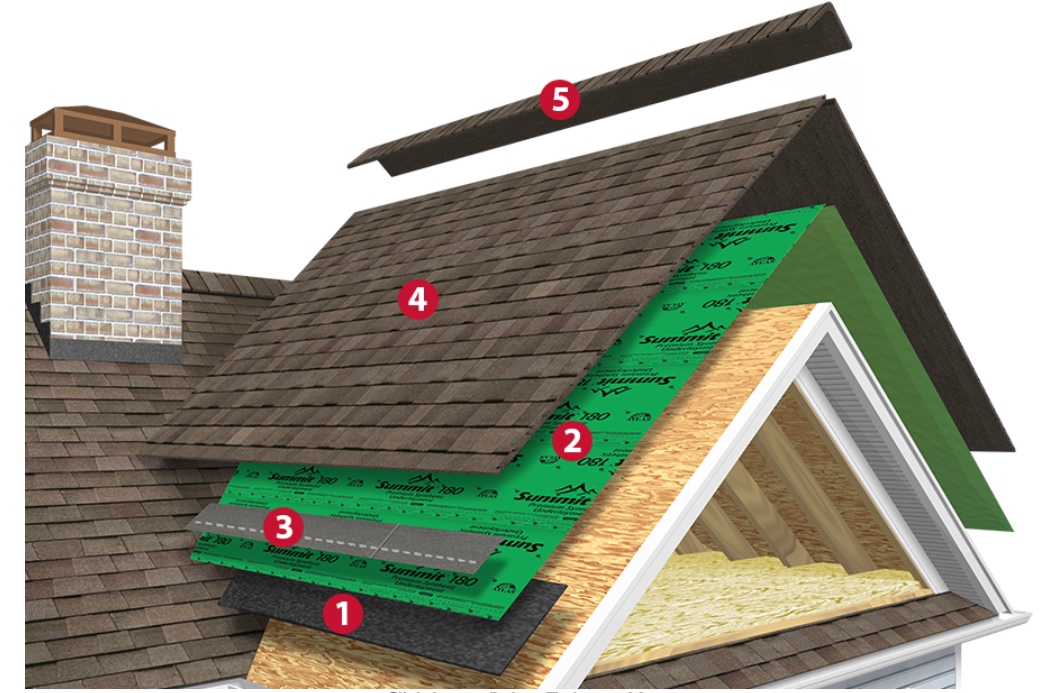
Across many performance categories, Atlas shingles consistently outperform their GAF counterparts. Atlas incorporates 3M™ Scotchgard™ technology into the granules, embedding copper throughout the shingle to prevent algae and black streaks, whereas GAF relies on a surface StainGuard® treatment that may not last as long in humid climates. Atlas products also achieve higher impact ratings; select lines like StormMaster® Shake earn Class 4 impact resistance, the highest designation under UL 2218, while GAF’s entry‑level shingles may only meet lower ratings. Wind resistance favors Atlas as well—StormMaster® Shake shingles can withstand winds up to 150 mph, compared with 130 mph ratings on many GAF products. The difference isn’t just in lab tests; homeowners in storm‑prone areas often notice fewer blow‑offs and repairs when using Atlas shingles.
Industry surveys and consumer rankings often identify GAF, CertainTeed and Owens Corning as the top three shingle brands, largely because of their market share and long history. GAF leads the list with robust lifetime coverage and a broad product range. CertainTeed is prized for premium look and performance, while Owens Corning offers balanced quality and cost. Atlas ranks just behind these giants in some lists, but its Pinnacle and StormMaster lines provide competitive durability, class‑leading algae protection and strong impact ratings at a more approachable price. When evaluating “best,” consider not only brand reputation but also the specific features you need. For example, if algae resistance and storm performance matter most, Atlas may outperform higher‑ranked competitors.
One of the most visible differences between Atlas and GAF shingles is their ability to resist algae. Atlas shingles embed copper granules to achieve genuine Scotchgard™ protection and must include at least 10 % copper to carry the Scotchgard name. This generous copper content prevents the growth of algae and keeps roofs looking fresh over decades. Homeowners appreciate that Atlas’s algae protection is backed by a lifetime warranty, which covers replacement costs—not just cleaning—if staining occurs. GAF’s StainGuard® protection typically provides 25 years of algae coverage and may require periodic cleaning. For homeowners in humid or wooded environments where algae grows quickly, Atlas’s lifetime guarantee offers greater peace of mind.
Both Atlas and GAF manufacture shingles designed to withstand severe weather, but Atlas often goes further. The HP42® shingle format from Atlas increases shingle width to 42 inches and exposure to 6 inches, creating a larger profile that requires fewer courses and fewer nails. Its 1½‑inch Sweet Spot™ nailing area aligns perfectly with the overlapping layers of the shingle, ensuring nails penetrate both layers and reducing installation errors. This precise design, along with a double sealant line, allows Atlas shingles to perform in winds up to 150 mph. GAF’s Timberline® series boasts an impressive WindProven™ warranty with no maximum wind speed when installed as part of a complete GAF system. Yet some installers note that GAF’s wider nailing zone aligns with the common bond for only about half an inch, making it easier to miss the sweet spot and potentially reducing wind performance. In impact tests, StormMaster® Shake shingles achieve Class 4 ratings, compared with Class 3 or lower for many GAF products, giving Atlas the edge in hail‑prone regions.
Proper installation plays a major role in roof longevity. Atlas’s HP42® technology not only speeds installation by covering more area per shingle but also reduces the number of nail penetrations—about 48 fewer nails per square. Fewer nails mean fewer potential leak points, which translates into a healthier roof over the long term. The clearly marked 1.5‑inch nailing zone helps installers hit the right spot every time. GAF’s nailing strip is two inches wide, but the overlap with the common bond is only about a half inch, increasing the risk of misplacement. Warranty coverage reflects manufacturers’ confidence in their products. Atlas offers a limited lifetime warranty on shingles and a lifetime algae‑resistance warranty. Some lines, when installed by certified contractors, also include a 15‑year wind warranty for speeds up to 150 mph. GAF’s Golden Pledge Warranty provides up to 50 years of coverage on materials and workmanship when installed by GAF Master Elite contractors. However, the algae protection in GAF’s warranty often prorates after 10–15 years.
Budget is always a deciding factor in a roofing project. Atlas shingles are generally more affordable than GAF’s mid‑ and premium‑line products. The Pinnacle and StormMaster lines offer high-end features—Class 3/4 impact ratings, Scotchgard™ protection and strong wind warranties—without the premium price tag. By covering more roof area per shingle and using fewer nails, Atlas’s HP42® design may also reduce labor costs. GAF shingles often cost more upfront, but some homeowners prefer the peace of mind offered by the Golden Pledge Warranty and the company’s extensive contractor network. When evaluating value, consider long‑term maintenance and replacement costs. Atlas shingles have shown better granule adhesion and lower granule loss compared with GAF’s Timberline® products in testing, which may extend the roof’s lifespan. In my experience with clients, those who invest a bit more in Atlas shingles often enjoy lower maintenance costs and longer replacement intervals.
GAF remains one of the most trusted shingle brands, but it has faced some notable issues. A class action settlement covered Timberline shingles manufactured between 1998 and 2009 that were alleged to crack, split or tear prematurely. Owners affected by this settlement could receive replacement shingles or cash payments. More recently, GAF Energy recalled its Timberline® Solar™ shingles after reports of overheating and fire risk in late 2024. These incidents don’t mean every GAF shingle is defective—GAF continues to produce reliable roofing products and stands behind them with strong warranties. However, they remind homeowners to research each product line and verify that contractors install them correctly. If you’re concerned about potential issues, talk with a certified installer and review independent test results before making your decision.

Atlas offers several shingle lines to suit different needs. Many roofing professionals point to the StormMaster® Shake series as the company’s flagship. These shingles incorporate Core4® polymer technology and achieve Class 4 impact ratings. They’re engineered to withstand hail and extreme temperature fluctuations, and they include Scotchgard™ protection and a 40‑year life expectancy. Pinnacle® Pristine remains a popular choice for homeowners seeking a balance of cost and performance; it offers Class 3 impact resistance and a 130 mph wind warranty. For those prioritizing solar heat reduction, Pinnacle® Sun features 3M™ Cool Roof technology to lower attic temperatures and energy bills. Evaluating factors such as local weather, budget and appearance will help determine which Atlas shingle is best for your home.
Choosing between Atlas and GAF is just one part of the roofing equation. The type of roof system you select—whether asphalt shingles or metal—also affects cost, longevity and maintenance. Asphalt shingles are usually the most economical option for a Roof Replacement, costing $1–$4 per square foot for materials, while metal roofs may cost several times more but can last 40–70 years. Asphalt shingles typically last 15–30 years, so if you plan to move within a decade, a shingle roof could make more sense. Metal roofs appeal to homeowners seeking long‑term durability and energy efficiency. When comparing Roof Installation options, always consult with a qualified Worthington Roofing Company to ensure proper ventilation, underlayment and flashing. A professional Worthington Roof Installation ensures your chosen shingles perform as intended, whether you select Atlas, GAF or another brand.
Deciding between Atlas and GAF shingles comes down to your priorities and climate. If algae resistance, Class 4 impact performance and high wind ratings are at the top of your list, Atlas shines. Its Scotchgard™ copper granules prevent unsightly streaks and come with a lifetime warranty, while HP42® technology simplifies installation and offers 150 mph wind protection. Atlas shingles also tend to weigh more, indicating thicker construction and better protection. GAF remains a heavyweight in the roofing industry; its products are widely available, offer reliable performance and include strong warranties. However, past legal issues and product recalls highlight the importance of vetting each shingle line. For homeowners seeking a balance of longevity, ease of installation and resistance to algae, wind and hail, Atlas shingles often provide superior value. Still, working with a reputable contractor and choosing the right product for your climate will ultimately determine the success of your new roof.


With over 25 years of experience, 614 Exteriors LLC provides top-quality roofing and exterior renovations using premium materials at competitive prices. Licensed, bonded, and insured, we take pride in delivering exceptional craftsmanship and personalized service.
614 Exteriors is owned and operated by Keith Staschke. Keith has over 25 years of experience in the construction and roofing industry and can be trusted to get the job done right.
614 Exteriors LLC © 2019-2024 | Privacy Policy

Roofing
Siding
Gutters
Storm Restoration
Work Examples
Interactive Map
Our Materials
1-877-614-TRUST (8787)
contact@614exteriors.com
480 E Wilson Bridge Rd
Worthington, OH 43085
Open Monday–Friday: 9am–5pm
Closed Saturday & Sunday
Bexley
Canal Winchester
Columbus
Delaware
Dublin
Gahanna
Grove City
Groveport
Hilliard
Lewis Center
Marysville
New Albany
Pickerington
Powell
Reynoldsburg
Sunbury
Upper Arlington
Westerville
Worthington
There is a good chance we will be able to serve you where you are located.

