614 Exteriors is the ONLY Atlas PRO+™ Diamond Level Contractor in the Greater Columbus Area and only 1 of 3 in the state of Ohio
Learn MoreWhy Is My Vinyl Siding Warping or Buckling? Common Causes Columbus, Ohio Homeowners See and what to do next.
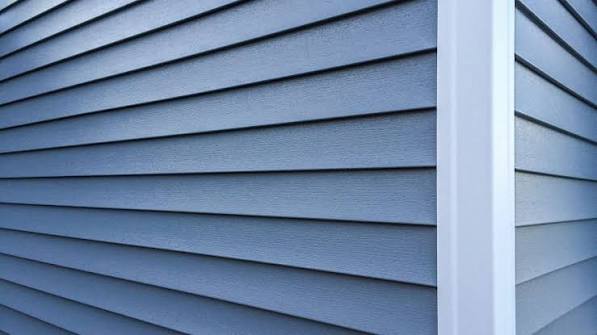
Vinyl siding warps or buckles when the panels can no longer move the way they were designed to, usually because of tight fasteners, missing expansion space, heat exposure, uneven surfaces underneath, or moisture-related damage. In Columbus, seasonal temperature changes can make a small installation problem much more noticeable over time.
If you are asking, “Why Is My Vinyl Siding Warping or Buckling? Common Causes Columbus, Ohio Homeowners See,” the answer is often less about the vinyl itself and more about how it was installed or what is happening behind it. A few rippled panels may be a simple repair. Buckling across an entire wall deserves a closer look.
Vinyl siding is common in this region. A 2026 National Association of Home Builders analysis of U.S. Census Bureau data found vinyl on 71% of new homes started in the East North Central region in 2025.
Vinyl siding is supposed to move. The Vinyl Siding Institute says a 12-foot-6-inch panel can expand or contract by a half inch or more as temperatures change. If the panel is pinned too tightly, that movement has nowhere to go.
Columbus gives siding plenty of seasonal change to handle. National Weather Service climate normals show a normal June average high of about 82.2°F and a December average high of about 41.5°F. The local climate record includes even greater extremes, which is why correctly installed siding needs room to expand and contract.
No. Some movement is normal, but visible waves, bulges, buckling, or panels that appear pushed together are not something homeowners should consider routine.
One common cause is fastening the siding too tightly. Vinyl panels are hung rather than clamped firmly against the wall, and fasteners should allow the siding to slide from side to side.
The Vinyl Siding Institute installation guidance specifically warns that tight nailing, screwing, or stapling can cause buckling as temperatures change. If several panels are warping in a consistent pattern, installation is one of the first things worth checking.
Yes. Direct heat can soften vinyl, and concentrated sunlight reflected from nearby windows can create very hot spots on one section of a wall.
ENERGY STAR materials describe conditions where reflected sunlight from certain insulated glass units can focus intense heat onto nearby surfaces, including plastic siding. The result may be a localized area that looks melted, bowed, or deeply rippled while the rest of the wall looks normal.
Grills, fire pits, and other heat sources placed too close to a house can do similar damage. If the distortion is limited to one sunny area, look at what faces that wall before assuming the siding was installed incorrectly.
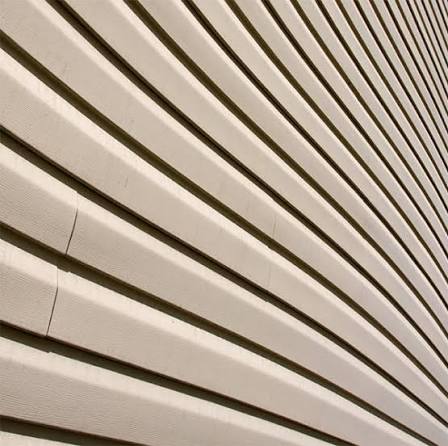
Siding can only look as straight as the surface supporting it. Uneven sheathing, damaged framing, or movement in the wall may show up as waves or sections that no longer sit flat.
Keith Staschke, owner of 614 Exteriors, has talked about siding projects where removing exterior material revealed framing and sheathing repairs that were not obvious beforehand. He has also seen a small leak turn into extensive hidden damage once the exterior was opened.
That experience matters here. The siding may be what a homeowner notices first, but the actual repair can be behind it.
A small amount of water can get behind vinyl siding because it is a cladding system, not a completely watertight outer shell. Properly installed siding is designed so incidental moisture can drain while the wall assembly behind it remains protected.
What is not normal is trapped water, repeated leaking around windows, soaked sheathing, or moisture that cannot escape. A water-resistive barrier, flashing, drainage paths, and correctly installed trim all matter.
If warping appears near a window, roof line, or gutter, the visible Siding Warping may be the clue that leads to a larger drainage or sheathing issue.
The right repair depends on why it buckled. If a few panels were fastened too tightly, a professional may be able to unlock the affected courses, correct the fastening, restore the required clearance, and reinstall the panels without replacing an entire wall.
Heat-damaged vinyl is different. Once a panel has permanently melted or distorted, it generally needs replacement, and the heat source should be addressed so the problem does not return.
If the wall underneath is damaged, repairing the siding alone is not enough. For localized problems, Columbus Vinyl Siding Repair may be all that is needed, while widespread damage can make replacement more practical.
There is no single expiration date, but quality vinyl siding can last for decades when properly installed and maintained. An environmental product declaration published through the Vinyl Siding Institute uses a 50-year reference service life and notes that many manufacturers offer warranties of 50 years or longer.
Real-world lifespan still depends on installation, sun exposure, storms, product quality, and the condition of the wall underneath. A newer installation can have problems quickly if it was fastened incorrectly.
If replacement is being considered, our guide Is insulated vinyl siding worth it? can help homeowners compare standard and insulated options.
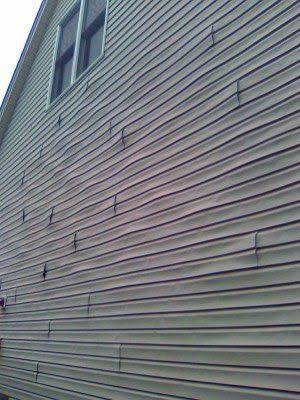
It depends on the cause and the policy. Sudden damage from wind, hail, or another covered event may qualify, while normal aging, poor maintenance, installation defects, or gradual deterioration may not.
Ohio insurance decisions show why the cause matters. Investigators may distinguish direct storm damage from older deterioration, failed flashing, or pre-existing damage when reviewing a claim.
After a storm, photograph the damage and review your policy before making assumptions. Keith also recommends researching contractors carefully instead of automatically hiring someone who appears at the door, because major storms can bring traveling companies into Ohio.
If siding is dirty, stained, or showing mildew, start with cleaning rather than a coating marketed as a “restorer.” The Vinyl Siding Institute recommends gentle methods such as a garden hose, soft-bristle washing brush, and suitable household cleaners.
Avoid abrasive brushes that can change the finish. More importantly, no cleaner or restoration product can straighten vinyl that has permanently melted, buckled, or deformed.
If the color has faded but the panels remain sound, replacement may not be urgent. Appearance and performance are different issues.
A few damaged panels do not automatically mean the entire home needs new siding. Replacement becomes more reasonable when warping appears across multiple walls, matching panels are unavailable, the siding is brittle, or hidden wall damage requires a larger tear-off.
Keith has explained that 614 Exteriors regularly works across siding, roofing, gutters, and painting and sometimes encounters sheathing or framing repairs during siding projects. That broader view can prevent a surface repair from covering a deeper problem.
For a full replacement, proper Columbus Siding Installation matters as much as the product. Panels need room to move, the wall underneath needs to be sound, and water-management details need to be correct.
Buckled siding is a symptom. Tight fasteners, missing expansion gaps, concentrated heat, uneven sheathing, moisture, storm damage, or aging materials can all create a similar-looking problem.
A reputable Columbus Siding Company can determine whether the issue is limited to a few panels or points to something behind the siding. Keith’s experience is a useful reminder that exterior work does not always reveal the full story until materials are opened up.
The best repair solves the reason the siding warped in the first place, not simply the part homeowners can see from the yard.
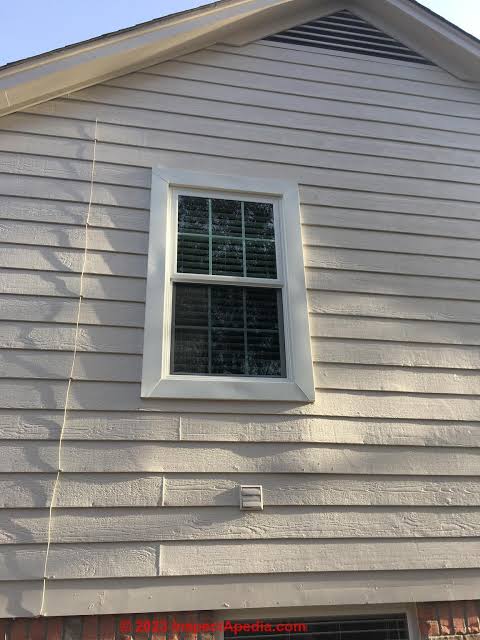

With over 25 years of experience, 614 Exteriors LLC provides top-quality roofing and exterior renovations using premium materials at competitive prices. Licensed, bonded, and insured, we take pride in delivering exceptional craftsmanship and personalized service.
614 Exteriors is owned and operated by Keith Staschke. Keith has over 25 years of experience in the construction and roofing industry and can be trusted to get the job done right.
614 Exteriors LLC © 2019-2024 | Privacy Policy

Roofing
Siding
Gutters
Storm Restoration
Work Examples
Interactive Map
Our Materials
1-877-614-TRUST (8787)
contact@614exteriors.com
480 E Wilson Bridge Rd
Worthington, OH 43085
Open Monday–Friday: 9am–5pm
Closed Saturday & Sunday
Bexley
Canal Winchester
Columbus
Delaware
Dublin
Gahanna
Grove City
Groveport
Hilliard
Lewis Center
Marysville
New Albany
Pickerington
Powell
Reynoldsburg
Sunbury
Upper Arlington
Westerville
Worthington
There is a good chance we will be able to serve you where you are located.

