614 Exteriors is the ONLY Atlas PRO+™ Diamond Level Contractor in the Greater Columbus Area and only 1 of 3 in the state of Ohio
Learn MoreDiscover if your homeowners insurance covers new siding, learn about covered perils, exclusions, claim tips, costs, and when to DIY or upgrade your siding.
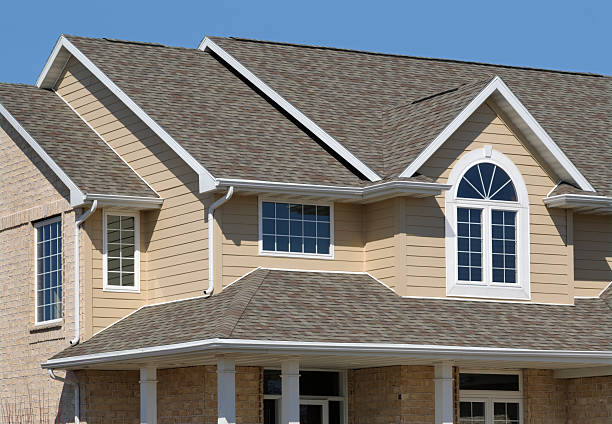
Home siding isn’t just decorative; it shields your home from wind, moisture, and flying debris. When storms rip off panels or a neighbor’s tree crashes into your exterior, the question of insurance comes up quickly. A typical homeowners policy’s dwelling coverage generally pays for direct physical loss caused by a covered peril up to your policy limits and minus your deductible. Covered perils often include wind, hail, fire, vandalism, damage from vehicles or aircraft, and other sudden accidents. Extreme weather is one of the most common causes of siding damage; strong winds or hail can tear vinyl or dent metal, and most policies list these events explicitly. It’s essential to know whether your policy reimburses for replacement cost or actual cash value, as that determines whether depreciation is considered.
The flip side is that normal wear and tear, gradual aging, and lack of maintenance are excluded from coverage. Insurance won’t pay if siding simply fades or cracks over time, or if you fail to fix small problems that later become costly. Damage from pests or wild animals, such as birds or rodents, is also considered a maintenance issue and typically falls outside of coverage. For instance, the 614 Exteriors repair guide notes that woodpecker damage is explicitly excluded by most policies, because insurers view it as preventable. Understanding these general boundaries is the first step in deciding whether to pursue a claim.
Homeowners insurance can cover siding replacement, but eligibility hinges on the cause of damage and the language of your policy. Standard homeowners insurance will pay to replace damaged siding after a covered event, but it won’t guarantee a perfect match if your original material is discontinued. Some insurers offer “matching undamaged siding coverage” as an add‑on so that the remaining walls can be replaced to maintain a uniform appearance. This endorsement may come with limits on age or material and could raise your premium slightly, but it prevents mismatched sections.
State laws also play a role. In some states like Ohio and Kentucky, insurers are required to replace all siding, including undamaged areas, when matching proves impossible. Without such laws, insurers may only be obligated to repair the damaged side, leaving homeowners to address mismatches themselves. Actual cash value policies, which factor in depreciation, may result in smaller payouts and discourage full replacement. When you review your policy, look for endorsements related to matching or uniformity and consider whether upgrading to replacement cost coverage makes sense.

Policies exclude several categories of damage, and understanding these exclusions helps set realistic expectations. First, normal wear and tear or aging—such as fading, warping, or cracking due to long‑term exposure—is not covered. If your siding is nearing the end of its lifespan or shows signs of rot, replacement is considered a maintenance expense. Second, poor maintenance and pre‑existing damage are excluded. If minor cracks, loose panels, or leaks are neglected and later develop into serious problems, insurers can deny the claim. Third, damage from pests or wild animals, including woodpeckers, termites, or rodents, is typically excluded. Insurers view pest damage as preventable; they expect homeowners to address infestations and take steps such as siding repair or siding installation upgrades proactively.
Additional exclusions may include defective siding (pre‑existing construction issues) and flood damage, which requires separate flood insurance. Cosmetic mismatches are often not covered; policies may stop at functional repairs if new panels don’t perfectly match the old. Understanding these exclusions helps you budget for out‑of‑pocket repairs and avoid surprises when a claim is denied.
Filing a claim involves a conversation with an insurance adjuster, and your words can influence the outcome. Avoid admitting fault or downplaying the extent of damage; statements like “I should have maintained it better” or “it’s probably not that bad” can lead to a lower payout or denial. Be honest, but don’t speculate. If you don’t know how the damage occurred, don’t guess—providing incorrect information can complicate the adjuster’s report. Never exaggerate or fabricate details; insurance fraud is illegal and can result in claim denial and legal penalties. Also, avoid any joking reference to fraud or gaming the system; even lighthearted comments about “getting one over” on the insurer can raise red flags.
Preparation helps: compile an itemized list of damaged areas, gather receipts, and document everything with photos before the adjuster arrives. Being organized and factual demonstrates credibility and helps ensure fair compensation. If you’re uncertain about the process, consult a contractor or attorney experienced in insurance claims to guide you.
Costs vary widely based on material, labor, and location, but some benchmarks help set expectations. According to HomeGuide’s 2025 data, repairing siding costs $2–$14 per square foot, with average repairs ranging from $200–$1,100 for 100 square feet. Replacing one piece of vinyl siding costs $8–$60 per panel. Vinyl hole repair kits run about $10–$20, while patching larger holes or replacing panels increases costs. Wood siding repairs cost $4–$13 per square foot and may require full board replacement if cracks or rot are extensive. Aluminum repairs cost $3–$6 per square foot; replacing damaged sections runs $4–$12 per square foot. Labor accounts for $40–$80 per hour, and height or structural damage can drive up the price.
These figures illustrate why homeowners often file claims for major storm damage but pay small repairs themselves. For minor cracks or a single damaged vinyl panel, the cost may be lower than your deductible. When evaluating whether to file, compare repair estimates to your deductible and consider the potential impact on future premiums. Keep in mind that upgraded materials like fiber cement or metal may cost more initially but offer better durability and lower maintenance, which can reduce long‑term expenses.
The table highlights how material choice influences repair costs. Vinyl is generally the most affordable, while fiber cement and wood can be pricier but offer durability. Discuss options with a siding installation professional to balance cost and performance.
A well‑structured claim improves your chances of reimbursement. Document the damage thoroughly: take photos and videos from multiple angles, note the date and cause, and gather any relevant receipts or invoices. Review your policy and deductible to understand coverage details and determine whether a claim is worthwhile. Contact your insurance company promptly; delays can complicate the process and may violate policy requirements. The insurer will assign a claims adjuster to inspect the damage; consider having a licensed contractor present during the inspection to ensure all issues are documented.
After the adjuster’s visit, obtain multiple repair or replacement estimates from reputable contractors. Submit these along with your documentation. If the cost of repairs is less than your deductible, it may be better to pay out‑of‑pocket to avoid a claim on your record. If the claim is denied or the settlement seems insufficient, you can appeal through your insurer’s process or consult an attorney specialized in insurance claims for advice.
Beyond proper documentation, proactive maintenance and professionalism make a significant difference. Keep a file of maintenance records, including cleaning, inspections, and previous siding repair work, to show that damage wasn’t due to neglect. Work with licensed, insured contractors who can provide detailed estimates and are familiar with insurance procedures. For homes with unique materials or older siding, consider adding matching coverage to your policy or upgrading to replacement cost coverage; these endorsements prevent mismatched repairs and can save you money in the long run.
Be aware of your rights. Some states require insurers to replace all siding when new panels won’t match. If your policy lacks matching coverage, ask your agent about endorsements or shop for insurers that offer comprehensive siding coverage. In cases of disagreement with the adjuster’s assessment, you can request a second inspection or hire an independent adjuster. Knowing state laws and policy details empowers you to advocate for a fair outcome.
Insurance is meant for sudden, significant losses, not routine maintenance. Minor repairs such as patching a few holes, replacing a single vinyl panel, or repainting faded sections often cost less than your deductible. Moreover, filing frequent small claims can raise premiums or result in nonrenewal. For damage caused by pests or neglected maintenance, insurance won’t help, so it’s wiser to budget for the repair and address underlying issues promptly. For example, the 614 Exteriors article on woodpecker damage explains that insurers view bird damage as a preventable maintenance problem, making coverage unlikely. In such situations, focus on quick siding repair and preventive measures.
Replacing siding voluntarily can also be a strategic investment. New materials like fiber cement or insulated vinyl siding improve energy efficiency and curb appeal. Upgrades may qualify for tax credits or homeowners association incentives and can boost resale value. If your current siding is near the end of its life or repeatedly patched, investing in a full siding installation may be more cost‑effective than ongoing repairs. Consult a professional contractor to assess your options and plan a project that aligns with your budget and long‑term goals.
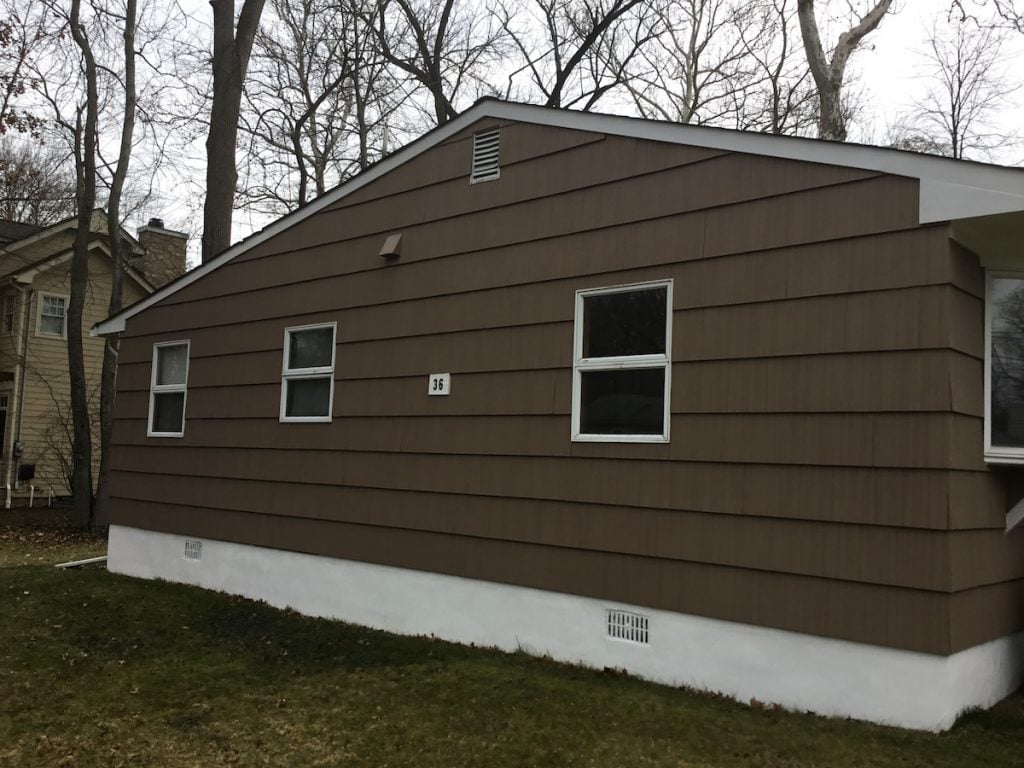
Determining whether your insurance will pay for new siding involves examining the cause of damage, understanding your policy language, and following proper claims procedures. Covered perils such as wind, hail, fire, vandalism, and accidental impacts typically qualify for coverage, while wear, neglect, and pest damage do not. Policies may only replace the damaged side unless you have matching coverage, though some states require full replacements. By documenting damage, maintaining your home, and working with experienced contractors, you can maximize your chances of claim approval and make informed decisions about siding installation or siding repair. If you’re curious about more unusual situations—such as woodpecker damage—check out the related guide on Would insurance cover siding damage from a woodpecker?.

With over 25 years of experience, 614 Exteriors LLC provides top-quality roofing and exterior renovations using premium materials at competitive prices. Licensed, bonded, and insured, we take pride in delivering exceptional craftsmanship and personalized service.
614 Exteriors is owned and operated by Keith Staschke. Keith has over 25 years of experience in the construction and roofing industry and can be trusted to get the job done right.
614 Exteriors LLC © 2019-2024 | Privacy Policy

Roofing
Siding
Gutters
Storm Restoration
Work Examples
Interactive Map
Our Materials
1-877-614-TRUST (8787)
contact@614exteriors.com
480 E Wilson Bridge Rd
Worthington, OH 43085
Open Monday–Friday: 9am–5pm
Closed Saturday & Sunday
Bexley
Canal Winchester
Columbus
Delaware
Dublin
Gahanna
Grove City
Groveport
Hilliard
Lewis Center
Marysville
New Albany
Pickerington
Powell
Reynoldsburg
Sunbury
Upper Arlington
Westerville
Worthington
There is a good chance we will be able to serve you where you are located.

