614 Exteriors is the ONLY Atlas PRO+™ Diamond Level Contractor in the Greater Columbus Area and only 1 of 3 in the state of Ohio
Learn MoreDoes homeowners insurance cover gutter replacement? Learn which damages are covered, when claims are denied, and how to protect your gutters and home.
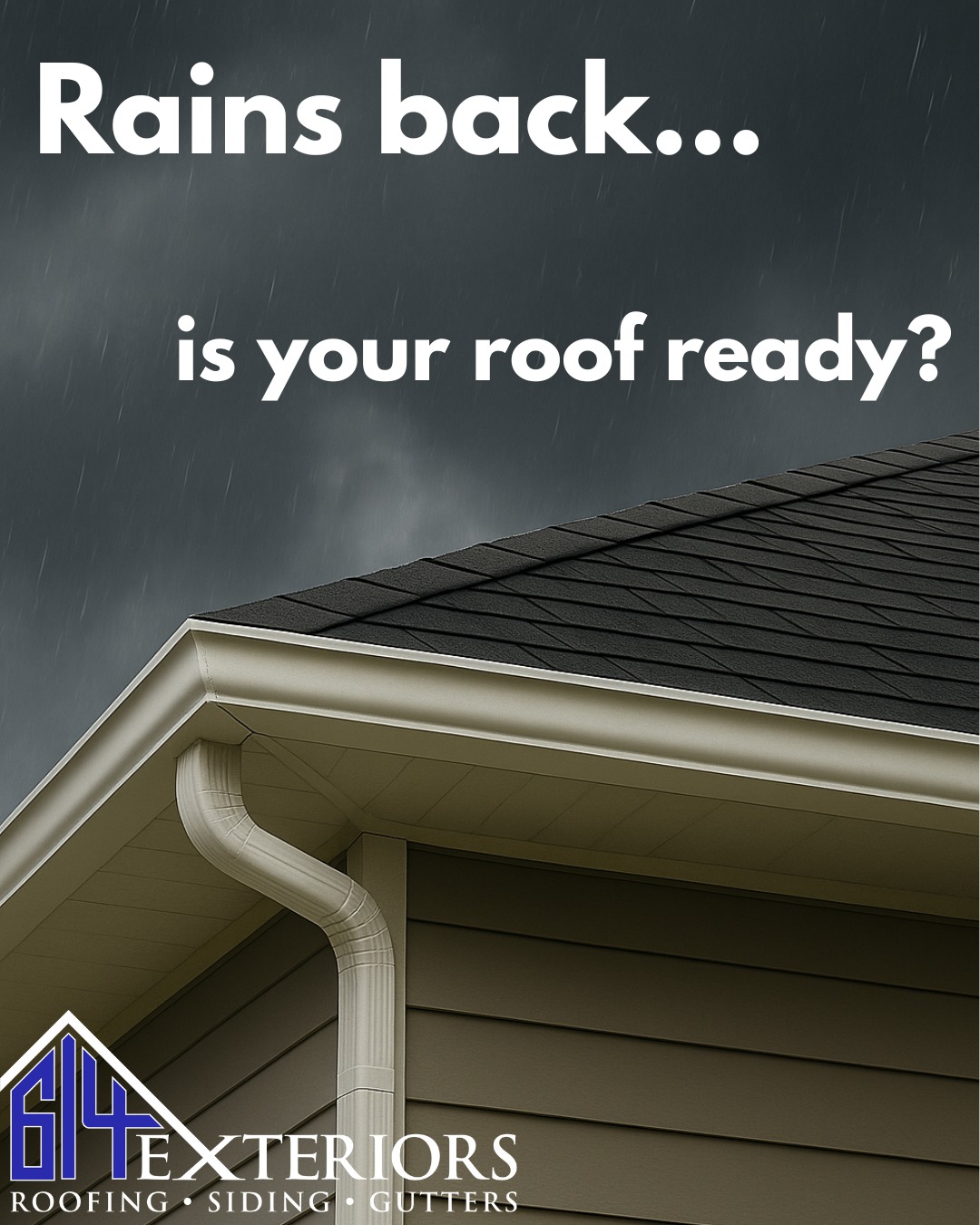
Homeowners often take their gutter systems for granted until a powerful storm or unexpected accident causes damage. Rainwater needs a clear path away from your roof and foundation; gutters serve that crucial purpose. When they fail, water can infiltrate your home and cause costly repairs. But will your homeowners insurance help you with gutter replacement expenses when disaster strikes? This article unpacks the scenarios when insurance steps in, the situations it doesn’t, and practical tips for keeping your gutters – and coverage – in good shape.
A standard homeowners policy includes several types of coverage, but the portion that applies to gutters is dwelling coverage. Dwelling coverage insures the physical structure of your home against covered perils like windstorms, hail, fire, and vandalism. Insurance companies treat gutters as part of your home’s structure, so damage from a sudden, accidental event may be covered. However, it is important to read your policy’s list of “covered perils” and “exclusions.” Not every cause of damage qualifies, and policies vary by state and carrier.
A common theme across insurance literature is that maintenance is the homeowner’s responsibility. Insurers expect you to keep your gutters clear of leaves, shingle grit, and debris, and to replace sections that are rusted or sagging. Coverage typically applies only when damage is sudden and accidental rather than gradual wear. Flooding, pest infestations, or clogs from neglect are almost always excluded. Understanding these boundaries will help you manage expectations when filing a claim.
.jpg)
Insurance generally pays for gutter replacement when a covered peril directly damages your gutters. Examples include high winds tearing gutters off during a storm, hail denting and cracking sections, lightning strikes, fires that spread to your eaves, or heavy snow and ice causing collapse. Damage from falling trees or flying debris is also typically covered. In each of these cases, the loss is sudden and accidental, so your insurer will usually reimburse you for reasonable repair or gutter replacement services after you meet your deductible.
It’s important to note that coverage extends only to the actual damage caused by the covered event. If a branch knocks off a section of gutters and water later damages your basement because repairs were delayed, the policy may cover the initial gutter repair but not the subsequent water damage. Similarly, if the gutters were loose before the storm, the insurer could deny the claim because poor installation or neglect contributed to the failure. Proving that the damage was sudden and that you maintained your gutters can make or break a claim.
Insurance companies consistently deny claims when gutters fail due to wear and tear, corrosion, or poor maintenance. If gutters sag because they are clogged or rusted, or if they were improperly installed, the insurer will deem it a maintenance issue and not a covered loss. Pest damage – such as birds or rodents nesting in gutters – is another common exclusion. Flooding and earthquake damage require separate policies, so a severe flood that dislodges your gutters wouldn’t be covered under a standard policy.
Another factor is the deductible. The cost to replace gutters often ranges from $1,000 to $5,000 depending on material and home size. If your deductible is $1,500 and the cost to repair is $2,000, you may recoup only $500. In such cases, homeowners sometimes choose to pay out of pocket rather than file a claim that could affect future premiums. Always review your coverage limits, deductibles, and exclusions before deciding to file a claim.
If your gutters are damaged by a covered peril, take the following steps to improve your chance of reimbursement:
Following these steps shows the insurer you’ve done your due diligence. Good record-keeping also protects you if there are disputes over the claim amount.
The cost to repair or replace gutters varies widely based on the materials used and the size of your home. Vinyl gutters are the least expensive at roughly $3–$5 per linear foot, while aluminum costs $6–$12 per foot. Steel options range from $9–$20 per foot, and premium copper gutters can cost $25–$40 per foot. Labor costs add to the total, especially if your home has multiple stories or complex rooflines.
Replacement projects for an entire home typically run between $1,000 and $5,000. If only a section needs replacement, the cost will be lower, but minimum labor charges from contractors may apply. Homeowners should obtain multiple quotes and ask whether contractors offer gutter replacement services or if they will subcontract the work. Always confirm that the contractor is licensed and insured before proceeding.
.jpg)
Flat and low-slope roofs require gutters that can handle large volumes of water quickly, as water tends to pool rather than run off. Box gutters and custom-built troughs are popular for flat roofs because they’re wider and can accommodate heavy downpours. Seamless aluminum or steel options reduce the risk of leaks and can be painted to match the roof. Some property owners choose a built-in gutter system, integrated into the edge of the roof deck, which requires expert installation but offers a sleek appearance.
When planning gutter installation for a flat roof, consult with a roofing professional to ensure proper pitch and drainage. Closer downspouts and larger diameters may be necessary to prevent overflow. Material choice should consider your climate; for example, steel or copper may be better for heavy snow loads, while aluminum or vinyl works well in milder regions. Though more expensive upfront, high-quality materials last longer and may save you from frequent repairs.
Navigating a claim can be stressful. Here are some phrases and behaviors to avoid when speaking with adjusters:
Remember that conversations with adjusters are part of the official record. Keep your communication clear, honest, and concise.
Choosing the right materials and contractor is as important as understanding insurance coverage. Consider the pros and cons of vinyl, aluminum, steel, and copper gutters, not just cost. Vinyl is lightweight and easy to install but may crack in extreme cold. Aluminum is rust-resistant and affordable, but thin gauges can dent. Steel is strong and durable but can rust if not maintained. Copper offers longevity and a distinctive appearance but comes at a premium price.
When hiring gutter replacement services, request references, check online reviews, and verify licensing. Some contractors provide both gutter installation and repair, while others specialize in one or the other. A reputable company will inspect your fascia boards and roofline to ensure there’s no hidden damage that could compromise new gutters. They should also discuss options for downspout placement and leaf guards to prolong the life of your investment.
Insurers expect homeowners to care for their property. Maintaining your gutters not only prevents costly repairs but also supports your ability to make a claim when disaster strikes. Regular cleaning – at least twice a year – keeps leaves, twigs, and shingle grit from clogging water flow. Installing leaf guards or screens can reduce maintenance frequency and help keep pests away. Documenting maintenance, including photos and receipts, is valuable evidence of due diligence if you must file a claim later.
While homeowners insurance covers some water damage, the Insurance Information Institute notes that standard policies provide coverage for burst pipes, wind-driven rain, and ice dams on your roof but require separate flood insurance for rising groundwater or sewer backups. Keeping gutters clear minimizes the risk of these events. A neglected gutter that overflows and causes mold or foundation issues is typically excluded from coverage.
Gutter health is tied to other components of your exterior. Clogged or damaged gutters can lead to siding rot, peeling paint, and roof leaks. Because of this interplay, some homeowners wonder whether insurers might cover siding replacement under similar circumstances. Our partners at 614 Exteriors explain how insurance might help with siding damage in their article Will my insurance company cover some of my new siding?. Understanding how various parts of your home’s exterior relate to your policy can help you plan for comprehensive coverage.

So, does homeowners insurance cover gutter replacement? The short answer is yes, but only when a covered peril directly damages your gutters. Storms, hail, heavy snow, fire, and falling debris are typical scenarios where dwelling coverage applies. Claims will be denied when damage results from wear and tear, neglect, pests, or excluded events like floods or earthquakes. Because deductibles and coverage limits apply, minor repairs might be more economical to pay out of pocket.
For homeowners, the best strategy is preventive care and informed decisions. Keep your gutters clean and functional, invest in high-quality materials, and document maintenance. If disaster strikes, follow claim procedures promptly and avoid statements that could compromise your claim. With proper planning and diligence, you can ensure that your insurance policy provides the protection it was designed to offer – and that your gutters continue directing water safely away from your home.

With over 25 years of experience, 614 Exteriors LLC provides top-quality roofing and exterior renovations using premium materials at competitive prices. Licensed, bonded, and insured, we take pride in delivering exceptional craftsmanship and personalized service.
614 Exteriors is owned and operated by Keith Staschke. Keith has over 25 years of experience in the construction and roofing industry and can be trusted to get the job done right.
614 Exteriors LLC © 2019-2024 | Privacy Policy

Roofing
Siding
Gutters
Storm Restoration
Work Examples
Interactive Map
Our Materials
1-877-614-TRUST (8787)
contact@614exteriors.com
480 E Wilson Bridge Rd
Worthington, OH 43085
Open Monday–Friday: 9am–5pm
Closed Saturday & Sunday
Bexley
Canal Winchester
Columbus
Delaware
Dublin
Gahanna
Grove City
Groveport
Hilliard
Lewis Center
Marysville
New Albany
Pickerington
Powell
Reynoldsburg
Sunbury
Upper Arlington
Westerville
Worthington
There is a good chance we will be able to serve you where you are located.

