614 Exteriors is the ONLY Atlas PRO+™ Diamond Level Contractor in the Greater Columbus Area and only 1 of 3 in the state of Ohio
Learn MoreLearn what the 25% rule for roofing means for insurance and code requirements, and get practical advice on coverage, maintenance and claims.
.jpg)
Homeowners often hear about the 25% rule when a storm hits or a contractor inspects their roof. This guideline helps determine whether a damaged roof can be patched or whether a full roof replacement is needed. It isn’t a single law but a practice shaped by local building codes and insurance policies. Understanding how the rule is applied will help you make smarter decisions about repairs, insurance claims and budgeting.
In general, the rule considers how much of the roof is affected. If damage is minor, a localized roof repair is sufficient. But when damage touches roughly a quarter of the roof’s surface, insurers and building officials may call for a more comprehensive solution. They also look at factors like roof age, materials and whether the home meets current codes. This post explores how the 25% rule works in different contexts and what it means for homeowners.
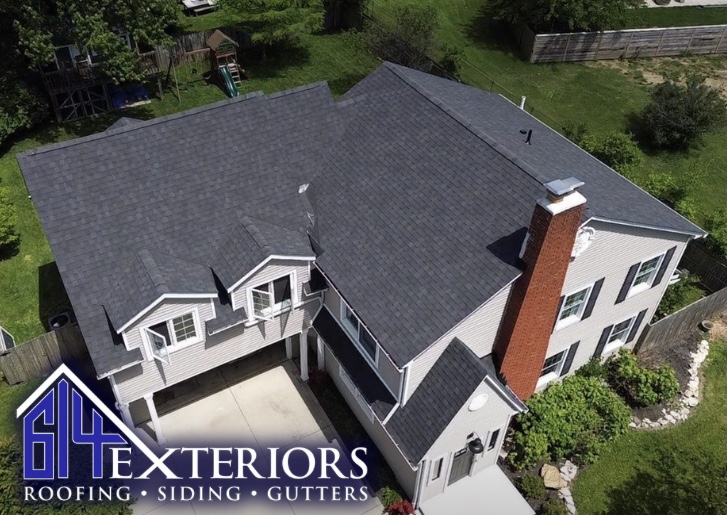
The 25% rule serves as a threshold for deciding when repairs become replacements. If less than about one‑quarter of the roof needs work, most jurisdictions allow spot repairs without additional permits or code updates. Once repairs exceed that point, authorities often require the work to meet modern standards and may refuse to approve piecemeal fixes. Insurance adjusters follow similar logic: large patches on an aging roof tend to fail, so it can be safer to replace the entire roof. Because this is a guideline rather than a statute, enforcement varies, but the principle remains that extensive damage demands more robust solutions.
Insurance covers roof claims in two basic ways. Replacement cost coverage (RCC) pays for a new roof of comparable quality without deducting for age or wear, but may impose deadlines for completing the work. Actual cash value (ACV) coverage, by contrast, pays the current depreciated value of your roof, leaving you to cover the difference for a new one. Many insurers are tightening policies for older roofs and shifting from RCC to ACV. Reviewing your policy and asking your agent about depreciation clauses, age limits and optional endorsements like inflation guards can save you from unwelcome surprises.
There is no single cut‑off, but insurance companies base decisions on expected lifespans of roofing materials. Asphalt shingles usually last 15–20 years; insurers become cautious about paying full replacement once these roofs reach their late teens. Metal roofs often last 50 years or more, while tile or slate can exceed 100 years, so insurers generally provide broader coverage for those materials. Keeping records of maintenance and scheduling inspections help demonstrate your roof’s condition. If you’re unsure about coverage, consult this How old may a roof be before insurance claims it's too old? guide and speak with your insurer.
In Ohio, the 25% rule is not a single statute written into law, but rather a guideline used by insurance carriers, building officials, and contractors when evaluating roof damage. It is often referenced during insurance claims to determine whether a damaged roof can be repaired or if a full replacement is more appropriate. The final decision typically depends on a combination of local building codes, insurance policy language, and the condition of the existing roof.
Ohio building departments generally follow versions of the International Residential Code (IRC) or International Building Code (IBC), which focus more on safety and compliance than strict percentage thresholds. If a roofing project triggers structural changes, code upgrades, or exceeds allowable overlay limits, a partial repair may no longer be permitted. In those cases, a full replacement may be required even if damage appears limited.
Insurance companies in Ohio often use the 25% figure as a practical benchmark rather than a hard rule. When damage approaches or exceeds roughly a quarter of the roof surface, insurers may determine that patchwork repairs are no longer cost-effective or durable. This is especially true when repairs would compromise the integrity of the roofing system or create visible mismatches.
Another major factor in Ohio is roof matching. Ohio’s roof matching requirements obligate insurers to make reasonable efforts to maintain a uniform appearance when completing repairs. If replacement shingles cannot reasonably match existing materials due to fading, discontinuation, or weathering, insurers may be required to replace larger sections of the roof. In some cases, this leads to full replacement approvals even when damage is below 25 percent.
Ultimately, Ohio homeowners should view the 25% rule as a decision-making tool rather than a guaranteed outcome. Local codes, roof age, material type, and insurance policy terms often carry more weight than percentages alone. Working with experienced professionals who understand roofing in Ohio helps ensure repairs or replacements meet both code and insurance requirements.
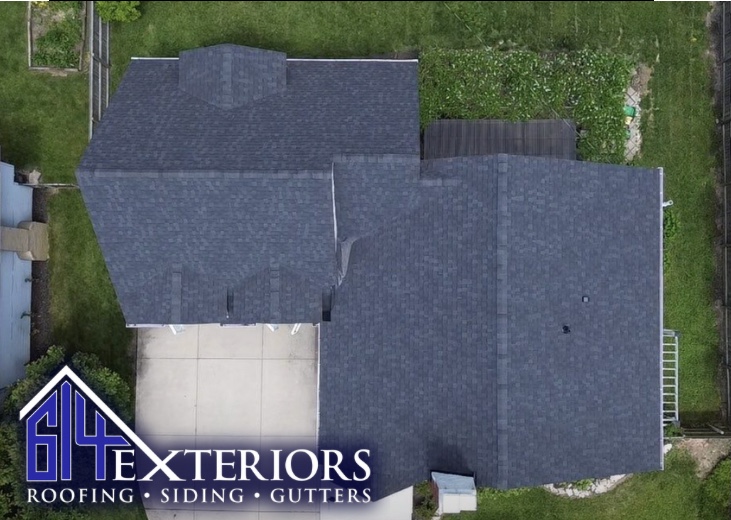
Ohio doesn’t codify a 25% threshold, but it does have a roof matching law. Insurers must make reasonable efforts to match new materials to existing ones, and if an exact match isn’t possible they may have to replace a larger area to achieve a uniform appearance. Overlays are also restricted: most homes can only support one additional layer of shingles. If your roof already has two layers or underlying damage, a complete tear‑off and roof replacement is required. Insurers often use the 25% rule as a guideline, but matching requirements and roof age usually influence their decisions more heavily.
When you discover roof damage, act quickly. Take photos, make notes about when the damage occurred and report it to your insurer promptly. Ask a trusted contractor to provide an independent estimate; this helps you negotiate with the adjuster and ensures the repair scope is accurate. Understanding whether you have RCC or ACV coverage will set expectations for payouts. Optional endorsements, such as ordinance or law coverage and guaranteed replacement cost, can protect you from code‑required upgrades and cost overruns. Regular maintenance and documentation strengthen your case if a claim is disputed.
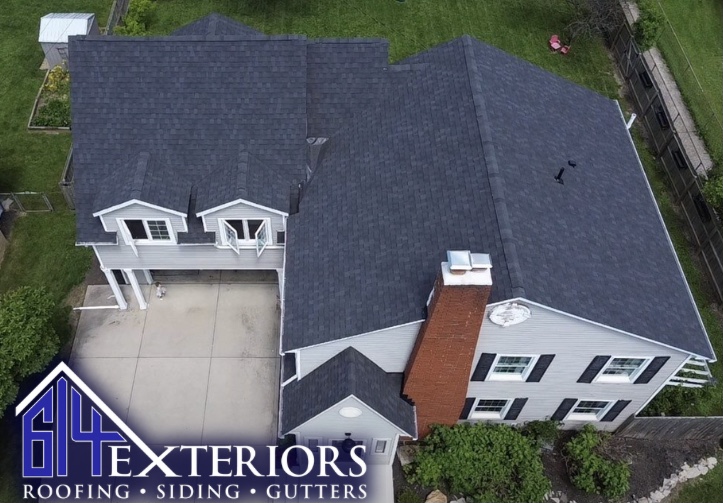
Insurers are increasingly using drones and artificial intelligence to assess roofs. Drones capture detailed images safely and quickly, while AI analyzes patterns like missing shingles or hail impacts. This speeds up claims, but it also allows insurers to detect maintenance problems earlier. On the contractor side, moisture sensors and thermal imaging reveal hidden issues that a simple visual inspection might miss. Staying on top of roof repair and upkeep prepares you for these high‑tech evaluations.
The 25% rule is a helpful benchmark but not a universal standard. Its application depends on where you live, the age and condition of your roof and the specifics of your insurance policy. By keeping your roof well maintained, understanding your coverage and working with qualified professionals, you can minimize surprises when damage occurs. Whether you end up with a roof repair or a replacement, an informed approach will protect your home and your budget.

With over 25 years of experience, 614 Exteriors LLC provides top-quality roofing and exterior renovations using premium materials at competitive prices. Licensed, bonded, and insured, we take pride in delivering exceptional craftsmanship and personalized service.
614 Exteriors is owned and operated by Keith Staschke. Keith has over 25 years of experience in the construction and roofing industry and can be trusted to get the job done right.
614 Exteriors LLC © 2019-2024 | Privacy Policy

Roofing
Siding
Gutters
Storm Restoration
Work Examples
Interactive Map
Our Materials
1-877-614-TRUST (8787)
contact@614exteriors.com
480 E Wilson Bridge Rd
Worthington, OH 43085
Open Monday–Friday: 9am–5pm
Closed Saturday & Sunday
Bexley
Canal Winchester
Columbus
Delaware
Dublin
Gahanna
Grove City
Groveport
Hilliard
Lewis Center
Marysville
New Albany
Pickerington
Powell
Reynoldsburg
Sunbury
Upper Arlington
Westerville
Worthington
There is a good chance we will be able to serve you where you are located.

