614 Exteriors is the ONLY Atlas PRO+™ Diamond Level Contractor in the Greater Columbus Area and only 1 of 3 in the state of Ohio
Learn MoreExplore what is the cheapest way to side a house. Compare vinyl, fiber cement and engineered wood costs plus maintenance tips to choose affordable siding.
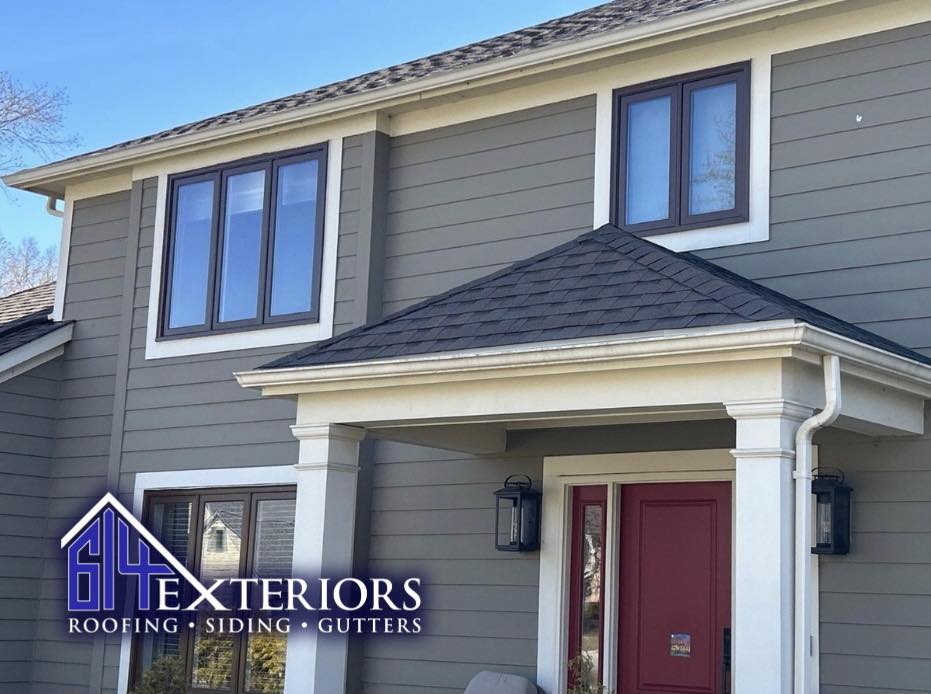
Upgrading your home’s exterior doesn’t need to break the bank. Selecting an affordable siding material requires looking beyond price tags to see how durability, maintenance and local climate affect the total cost over the life of the product. In this guide, we’ll show you how to make a smart choice for your home, whether you’re considering siding installation or siding repair and want to stretch every dollar. You’ll learn how various materials perform, how to estimate costs for different house sizes, and when it’s time to replace old siding.
Saving money doesn’t have to mean choosing low‑quality materials. The lowest up‑front price can sometimes result in higher long‑term spending if the product requires frequent maintenance or has a short lifespan. Vinyl is consistently recognized as the least expensive siding to buy and install, averaging $4.50–$8.20 per square foot . Entry‑level vinyl can be as low as $3 per square foot, but premium vinyl products can cost more. Even so, vinyl’s affordability and ease of siding installation make it the starting point for most budget‑minded homeowners.
In addition to material costs, consider the value of energy savings and resilience. When comparing vinyl, wood and fiber cement, vinyl’s lower insulation value may increase heating and cooling costs. Fiber‑cement siding is more expensive up front, ranging from $4.70–$8.50 per square foot, but its durability and resistance to fire and pests often save money over decades. Wood siding falls between $6.90 and $13.90 per square foot and offers timeless beauty but requires more maintenance.
Your local environment influences whether cheap siding remains cheap over time. Vinyl performs best in mild climates. In extreme cold it can become brittle, and in intense heat it can warp or fade. Wildfire‑prone regions may require non‑combustible materials like fiber cement or stucco. Wood needs regular sealing or painting to prevent rot and insect damage, whereas vinyl and fiber cement can usually be cleaned with a hose and mild detergent. The ease of siding repair should also be part of the equation—vinyl panels can be replaced individually if damaged, while wood and fiber‑cement repairs may be more labor‑intensive.
.jpg)
If you’re searching for the absolute minimum cost, vinyl siding remains the most economical choice. According to home improvement guides, vinyl averages between $3 and $8 per square foot, while fiber‑cement can reach $13 and wood ranges from $6 to $12. These figures include professional installation, but homeowners with carpentry skills can reduce costs even further. DIYers should budget for special tools such as a zip tool, utility knife, circular saw and safety gear, and recognize that incorrectly hung siding can void warranties or allow moisture intrusion.
Another tactic for minimizing expense is to mix materials. For example, you might use premium siding on visible front façades and lower‑cost materials on less noticeable sides. Reclaimed wood or corrugated metal roofing panels can also serve as inexpensive siding alternatives. They’re often available from salvage yards at a fraction of the cost of new products, though they may require additional labor to prepare and install.
Finally, ask your contractor about seasonal promotions. Some companies offer discounts during slower months or bundle services like siding installation with roof replacement. Always collect multiple quotes to ensure you’re getting a competitive price.
Calculating total project cost involves more than multiplying square footage by a per‑foot price. A typical two‑story home with 2,000 square feet of interior space may require roughly 2,480 square feet of siding due to wall height and architectural details. Using a mid‑range cost of $8.60 per square foot, Modernize estimates about $21,328 to cover a 2,000‑sq‑ft home. If you choose entry‑level vinyl at $4.50 per square foot, the total could drop to around $13,000. Premium fiber‑cement or engineered wood would raise costs toward $20,000.
Additional expenses include permits, removal of old cladding, trim, corner pieces, soffits and waste disposal. A typical vinyl project on a 2,000‑sq‑ft home might include permits (~$200), finishing strips, starter strips, corner posts, J‑channels and nails. Don’t forget to budget for landscaping repairs if heavy equipment or debris affects your yard.
Location plays a significant role in pricing. In Ohio, for example, vinyl siding installation averages around $3.47 per square foot, with prices ranging between $2.84 and $4.10 depending on quality. Metal siding in the same region runs roughly $4.83–$5.10 per square foot. High‑cost metropolitan areas tend to have higher labor rates, while rural areas may face increased transportation costs. Always ask for written estimates specifying materials, square footage and labor hours to avoid surprises.
For most homeowners, vinyl remains the least expensive material for exterior walls when considering both purchase and installation cost. But other options may be close behind:
When you calculate life‑cycle costs—including painting, sealing, pest control and repairs—engineered wood and fiber cement often compete closely with vinyl. Each material has unique advantages, so weigh aesthetics, local climate and resale value before making a decision.
If standard siding isn’t appealing, consider alternatives that may reduce costs or fit specific design goals:

Every siding material has distinctive installation requirements. Vinyl siding snaps together and can often be installed by a competent homeowner, which keeps labor costs low. Fiber‑cement planks are heavier and must be cut with specialized tools to prevent silica dust inhalation; this increases labor and equipment costs. Wood siding needs skilled carpenters and may require scaffolding for multi‑story installations.
Maintenance also varies widely:
When balancing budget and maintenance, it’s helpful to think about the time and money you’re willing to devote to upkeep. Vinyl might be cheaper now, but fiber cement may save you from frequent repainting and siding repair later on.
To decide what is the cheapest way to side a house, compare the pros and cons of each material:
By comparing options, you’ll see that the cheapest way to side a house varies based on personal priorities. If initial cost is the only concern, vinyl typically wins; if you value longevity and minimal siding repair, fiber cement or metal may be more cost‑effective over the long run.
Before beginning any vinyl siding project or replacement, inspect your existing exterior. Signs it’s time to replace siding include broken, warped or rotted boards, mold or mildew, rising energy bills, frequent repainting, faded panels or interior wall issues like peeling paint. If you notice any of these problems, hire a professional to evaluate whether siding repair or full replacement is needed.
Homeowners with basic carpentry skills can tackle small repairs or installations themselves. Start by watching tutorials and reading manufacturer instructions. Use a level and chalk line to keep rows straight, and leave room for thermal expansion in vinyl panels. Wear protective gear when cutting fiber cement. For large jobs or multi‑story homes, hiring a licensed contractor ensures safety and adherence to local building codes. Always request multiple bids and check references.
Researching costs in your area is critical. This Modernize siding cost guide offers interactive calculators and explains how factors like house size, material choice and region affect pricing. For local context, check out the article on How much does siding cost in Columbus Ohio, which breaks down costs by material and provides tips for central Ohio homeowners. Reading regional guides helps you plan for permit fees and weather‑related considerations.
Replacing siding isn’t just a functional improvement; it can increase your home’s resale value. Remodeling Magazine’s Cost vs. Value report notes that fiber‑cement replacement recoups roughly 88 percent of its cost, while vinyl siding recovers around 82 percent. Engineered wood and metal siding also offer strong returns when installed professionally.
If you’re planning to sell within a few years, choose a neutral color and style that appeals to a broad audience. Pair new siding with simple upgrades like fresh trim, updated lighting and tasteful landscaping to maximize curb appeal. Combining smart material choices with strategic design can help your home stand out in the market.
Selecting the cheapest way to side a house involves balancing immediate costs with long‑term value. Vinyl remains the most budget‑friendly siding material, but engineered wood, fiber cement and metal provide compelling alternatives when considering maintenance, climate resilience and resale value. Evaluate your priorities: Are you looking for the lowest price today, minimal upkeep, or maximum durability? Once you know what matters most, gather quotes, read reputable guides and consult professionals to find the right solution for your home.
By staying informed and comparing options, you’ll invest in siding that looks great, protects your home and respects your budget. Whether you end up choosing siding installation with vinyl or a higher‑end material, careful planning ensures your new exterior will pay dividends in comfort, savings and curb appeal.
.jpg)

With over 25 years of experience, 614 Exteriors LLC provides top-quality roofing and exterior renovations using premium materials at competitive prices. Licensed, bonded, and insured, we take pride in delivering exceptional craftsmanship and personalized service.
614 Exteriors is owned and operated by Keith Staschke. Keith has over 25 years of experience in the construction and roofing industry and can be trusted to get the job done right.
614 Exteriors LLC © 2019-2024 | Privacy Policy

Roofing
Siding
Gutters
Storm Restoration
Work Examples
Interactive Map
Our Materials
1-877-614-TRUST (8787)
contact@614exteriors.com
480 E Wilson Bridge Rd
Worthington, OH 43085
Open Monday–Friday: 9am–5pm
Closed Saturday & Sunday
Bexley
Canal Winchester
Columbus
Delaware
Dublin
Gahanna
Grove City
Groveport
Hilliard
Lewis Center
Marysville
New Albany
Pickerington
Powell
Reynoldsburg
Sunbury
Upper Arlington
Westerville
Worthington
There is a good chance we will be able to serve you where you are located.

