614 Exteriors is the ONLY Atlas PRO+™ Diamond Level Contractor in the Greater Columbus Area and only 1 of 3 in the state of Ohio
Learn MoreWhy Are My Gutters Overflowing Even After Cleaning Them? Discover common causes, drainage problems, and solutions for Columbus homes.
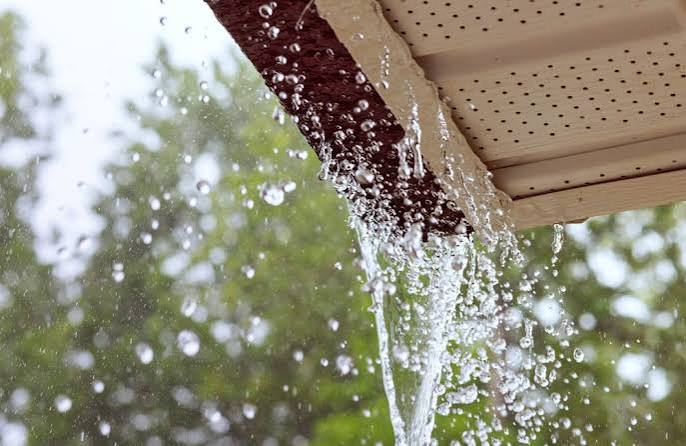
If you're wondering why your gutters are overflowing even after cleaning them, the problem may be improper gutter slope, clogged downspouts, undersized gutters, or incorrect installation. Even gutters that look completely clear can struggle to move rainwater efficiently, especially during heavy storms in Columbus, Ohio.
Cleaning removes leaves and debris, but it doesn't fix structural problems or drainage issues. When rainwater continues spilling over the sides, it's important to identify what's preventing your gutter system from working properly before water damages your home's siding, fascia, or foundation.
Overflowing gutters aren't always caused by leaves or debris. In fact, some of the most frustrating gutter problems happen when the gutters themselves appear perfectly clean. Your gutter system relies on several components working together. Water must flow off the roof, enter the gutters, travel toward the downspouts, and discharge safely away from your foundation.
When something interrupts that process, overflow can occur. Common causes include:
At 614 Exteriors, owner Keith Staschke brings more than 25 years of construction and roofing experience to exterior renovation projects. His approach emphasizes identifying underlying problems rather than simply addressing what homeowners can see from the ground. That's particularly important with gutters, where a drainage problem can sometimes reveal damage to surrounding exterior materials.
When gutters are clear but still overflowing, improper slope is one of the first things worth investigating. Gutters need a slight downward pitch toward their downspouts. If they're perfectly level or sloping in the wrong direction, water accumulates instead of draining.
Over time, gutter hangers can loosen, fasteners can pull away, and sections may begin sagging. Even a relatively small change in alignment can create standing water. One common warning sign is water pooling in the middle of a gutter section long after a storm ends.
A professional can check the slope and determine whether the existing gutters can be repositioned or require more extensive Gutter Repair.
Cleaning the horizontal gutters doesn't necessarily clear the downspouts. Leaves, roofing granules, twigs, and compacted debris can collect inside elbows where the downspout changes direction. Water backs up behind the obstruction until it spills over the gutter edge.
If your gutters overflow near a downspout, even during moderate rainfall, a blockage farther down the system may be responsible.
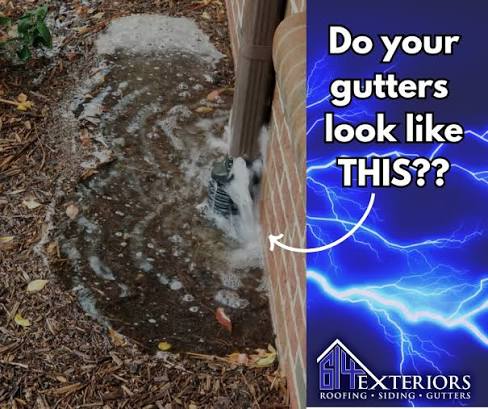
Water overshooting gutters happens when rainwater moves off the roof too quickly or the gutters aren't positioned correctly to catch it. This is especially common around steep roof sections, roof valleys, and areas where multiple roof slopes meet.
Gutters installed too low or too far from the roof edge may miss incoming water. However, moving them closer isn't always the solution because placement must also account for the roof's drainage pattern.
Roof valleys create another challenge. Rainwater from two roof sections concentrates into one location, sometimes producing a powerful stream during storms. A properly designed splash guard may help redirect water into the gutter at these locations. In other cases, larger gutters or additional drainage capacity may be necessary.
Homeowners should avoid installing random attachments without understanding the underlying problem. A poorly positioned splash guard can redirect water beneath roofing materials or create additional maintenance issues.
Sometimes, gutters overflow because they simply cannot accommodate the volume of water coming off the roof. Many residential homes use five-inch gutters, although six-inch systems may be more appropriate for certain roof configurations. The correct size depends on roof area, pitch, rainfall intensity, and downspout capacity.
Consider this: one inch of rainfall falling on a 1,000-square-foot roof area produces approximately 623 gallons of water, before accounting for runoff losses. That's a substantial amount for a gutter system to manage, particularly when the rain arrives over a short period.
The National Weather Service maintains rainfall records and climate information for Columbus, highlighting why adequate drainage matters throughout Central Ohio's changing seasons. For homeowners with large roofs or steep slopes, professional Gutter Installation can help ensure the system is sized appropriately rather than relying on standard dimensions alone.
If your gutters continue overflowing or dripping after the heaviest rainfall ends, the problem may involve trapped water rather than excessive rainfall alone. Standing water can remain inside sagging sections, blocked outlets, or improperly pitched gutters.
Persistent overflow can expose surrounding exterior materials to repeated moisture. Keith Staschke has described projects where apparently minor exterior problems revealed much larger issues once work began. During roofing projects, for example, removing the existing materials has sometimes uncovered damaged plywood that wasn't visible beforehand.
That experience reinforces why checking the surrounding structure matters. When gutters repeatedly overflow, moisture may reach the fascia boards, soffits, and siding. Installing new gutters without first correcting damaged supporting materials can leave the original problem unresolved.
Look for peeling paint, discolored wood, soft fascia boards, or water stains beneath the roofline. These signs deserve attention even if the gutters themselves appear intact.
A downspout can drain properly at the top while still causing problems around your home's foundation. The U.S. Department of Energy recommends directing gutter discharge at least five feet away from the foundation when using conventional surface drainage. That's because roof runoff can saturate surrounding soil and contribute to moisture entering basements or crawl spaces.
Watch for these warning signs:
Underground drainage pipes deserve particular attention because blockages aren't always visible. A crushed pipe, sediment buildup, or invasive tree roots can prevent water from flowing away from the property. Depending on the location and severity, repairing the underground drainage system may require a drainage specialist.
For additional guidance, the Department of Energy provides a helpful resource on stormwater gutters and downspouts.
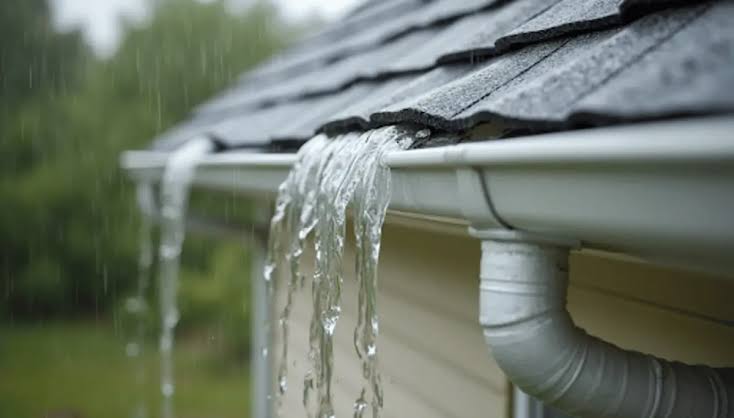
The best solution depends on where the water is escaping and what's causing the backup. Before scheduling repairs, observe the system from a safe location during a normal rainstorm. Pay attention to where overflow starts and whether the downspouts are discharging water.
Confirm that water can travel through the entire downspout system. If accessible from the ground, check removable extensions for trapped debris. Avoid climbing onto a wet roof or ladder during a storm, and leave difficult blockages to a professional.
Sagging gutters may need their hangers replaced or repositioned to restore proper drainage. If the fascia beneath the fasteners has deteriorated, the supporting wood may also need replacement.
If the existing system consistently overflows during heavy storms despite proper drainage, larger gutters or additional downspouts may improve its capacity. A contractor should evaluate the roof's drainage area before recommending changes.
Cracked joints, loose end caps, or separated seams may require sealing or replacement. However, repeatedly patching aging gutters doesn't always provide a lasting solution, especially when several sections are deteriorating.
Not every overflowing gutter requires complete replacement. Small issues involving loose hardware, isolated leaks, or incorrect slope may be corrected without removing the entire system. However, extensive sagging, deteriorating fascia, widespread corrosion, or recurring drainage problems can make replacement the more practical investment.
Older homes deserve particular attention. If you're dealing with aging gutters, read Older Home? When to Replace Your Gutters for additional signs that your system may be nearing the end of its useful life.
One of Keith Staschke's priorities at 614 Exteriors is understanding what a project actually requires. His experience has reinforced the importance of addressing work within the team's expertise and communicating openly when unexpected problems arise. That approach matters when deciding whether a gutter system needs a straightforward repair, structural work, or complete replacement.
Regular maintenance can prevent many common drainage problems, but cleaning alone shouldn't be your entire strategy. Inspect your gutters in the spring and fall, particularly if nearby trees deposit leaves and twigs onto your roof. Check again after major windstorms, when branches and other debris may have shifted.
A few additional habits can help:
Gutter guards may reduce how much debris enters the system, but they won't correct poor slope, undersized gutters, or blocked underground drainage. If your gutters repeatedly overflow despite regular maintenance, it's worth having the entire system inspected rather than continuing to clean the same sections.
Overflowing gutters aren't something homeowners should ignore, particularly when water is reaching the siding or collecting near the foundation. At 614 Exteriors, our team helps Central Ohio homeowners identify gutter problems and determine whether repairs or replacement make the most sense. We understand how roofing, fascia, siding, and gutters work together to protect your home.
If cleaning hasn't solved the problem, our team can evaluate the drainage system and recommend an appropriate solution. Contact 614 Exteriors, your local Columbus Gutter Company, to schedule a free estimate and get your gutters working properly again.

With over 25 years of experience, 614 Exteriors LLC provides top-quality roofing and exterior renovations using premium materials at competitive prices. Licensed, bonded, and insured, we take pride in delivering exceptional craftsmanship and personalized service.
614 Exteriors is owned and operated by Keith Staschke. Keith has over 25 years of experience in the construction and roofing industry and can be trusted to get the job done right.
614 Exteriors LLC © 2019-2024 | Privacy Policy

Roofing
Siding
Gutters
Storm Restoration
Work Examples
Interactive Map
Our Materials
1-877-614-TRUST (8787)
contact@614exteriors.com
480 E Wilson Bridge Rd
Worthington, OH 43085
Open Monday–Friday: 9am–5pm
Closed Saturday & Sunday
Bexley
Canal Winchester
Columbus
Delaware
Dublin
Gahanna
Grove City
Groveport
Hilliard
Lewis Center
Marysville
New Albany
Pickerington
Powell
Reynoldsburg
Sunbury
Upper Arlington
Westerville
Worthington
There is a good chance we will be able to serve you where you are located.

